

You’ve decided to build a career in technology. Maybe you’re just starting out, or maybe you’ve been in the field for years and want to level up. Either way, picking the right computer information technology book can make the difference between steady progress and wasted effort.
The problem? The options are overwhelming. Walk into any bookstore—or scroll through Amazon—and you’ll find hundreds of titles covering everything from computer hardware and software to networking, cybersecurity, and cloud infrastructure. Some books are dense, academic-style references. Others are breezy beginner guides that won’t take you far enough. Finding the right match for your specific career goals takes more than a quick Google search.
This guide breaks down exactly how to choose a computer information technology book that aligns with where you are now and where you want to go. By the time you finish reading, you’ll have a clear framework for evaluating any IT book, a solid understanding of which topics deserve your attention, and a smarter approach to building a reading list that actually supports your career.
Why the Right Book Can Accelerate Your IT Career
 Books remain one of the most underrated resources in tech education. Online courses are great for hands-on practice, but a well-written computer information technology book gives you something different: depth. You get context, theory, and the kind of foundational understanding that helps you troubleshoot problems you’ve never seen before.
Employers notice this. A candidate who understands why a network is configured a certain way—not just how to configure it—brings more value to a team. Books build that “why.” They help you connect concepts across computer hardware, computer software, and computer networking in ways that fragmented tutorials rarely do.
The catch is that not every book delivers on that promise. Some are outdated. Some are written for a completely different audience. Some cover topics too broadly to be useful at any meaningful level. Choosing well means knowing what to look for before you commit.
What Are Your Career Goals, and How Do They Shape Your Reading?
Before comparing titles, get specific about your goals. A vague intention to “learn more about IT” won’t help you narrow down thousands of options. Ask yourself:
- Are you preparing for a certification exam, or building general knowledge?
- Do you want to specialize in computer networking, software development, hardware engineering, or IT management?
- Are you a complete beginner, an intermediate professional, or an experienced specialist?
Your answers will point you toward entirely different sections of the bookshelf.
Someone studying for the CompTIA A+ exam needs a structured, exam-focused book with practice questions and topic-by-topic coverage of computer hardware and computer software fundamentals. A network engineer moving into cloud architecture needs something more advanced—a book that assumes existing knowledge and pushes into unfamiliar territory. A career-changer entering IT from another field benefits from a broad, accessible introduction that explains the landscape before diving into specifics.
Getting honest about where you stand saves you from buying a book that’s either too simple or too advanced to be useful.
Understanding the Core Areas of Computer Information Technology
A strong computer information technology book typically covers one or more of three core domains: computer hardware, computer software, and computer networking. Understanding what each area covers helps you spot the right book faster.
Computer Hardware: The Physical Foundation of IT
Computer hardware refers to the physical components of any computing system—processors, memory, storage drives, motherboards, power supplies, and peripheral devices. Books focused on hardware are essential for roles like IT support technician, systems administrator, and hardware engineer.
A solid hardware-focused book will teach you how components interact, how to diagnose hardware failures, and how to build or upgrade systems efficiently. Look for titles that include diagrams, real-world troubleshooting scenarios, and updated coverage of modern components like SSDs and multi-core processors.
Computer Software: From Operating Systems to Applications
Computer software covers a broad range, from operating systems like Windows, Linux, and macOS to enterprise applications, virtualization platforms, and development environments. Software-focused IT books are particularly relevant for roles in systems administration, DevOps, software support, and IT management.
The best books in this space don’t just describe software—they explain the underlying logic. How does an operating system manage memory? Why does virtualization improve resource efficiency? These are the questions that separate a surface-level software book from one that genuinely builds expertise.
Computer Networking: Connecting Systems and People
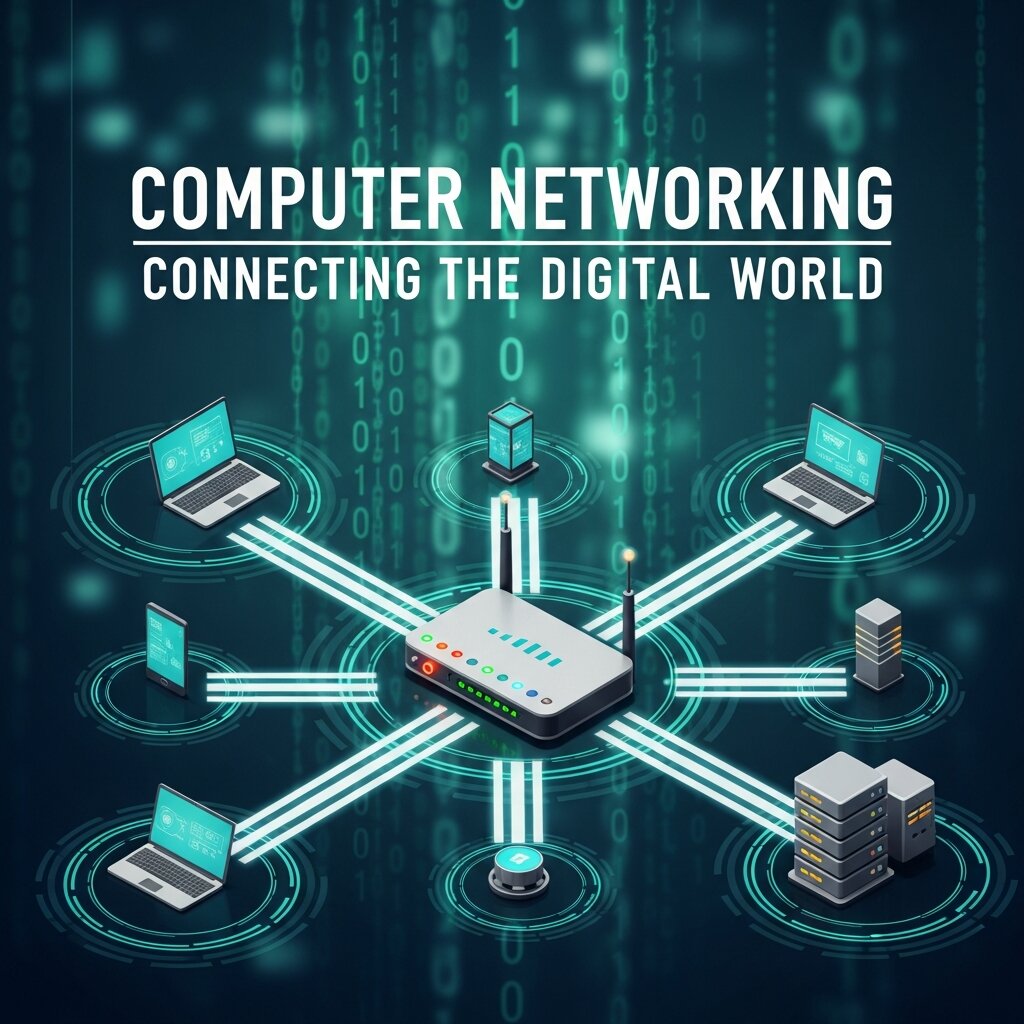 Computer networking covers the protocols, architectures, and physical infrastructure that allow devices to communicate. This includes IP addressing, routing, switching, wireless networking, firewalls, and increasingly, cloud networking.
Networking books are among the most career-specific in the IT genre. Titles like Andrew Tanenbaum’s Computer Networks have been standard reading for decades, offering thorough coverage of networking theory. For certification prep, books aligned with CompTIA Network+ or Cisco’s CCNA curriculum offer structured, exam-ready content.
How to Evaluate a Computer Information Technology Book Before Buying
Knowing what you need is only half the battle. Here’s how to assess whether a specific book will actually deliver.
Check the Publication Date
Technology evolves fast. A computer information technology book published five or more years ago may contain outdated information on computer software interfaces, hardware specifications, or networking standards. For foundational theory—things like how TCP/IP works or the fundamentals of binary logic—older books can still be excellent. For anything involving specific tools, platforms, or certifications, prioritize recent editions.
Read the Author’s Credentials
Who wrote the book, and what gives them authority on the subject? Strong authors typically have real-world experience in the domain they’re writing about—not just academic credentials, but industry experience. Check whether the author has worked in relevant roles, contributed to recognized publications, or holds respected certifications like CISSP, CCNP, or Microsoft Certified Expert.
Review the Table of Contents Carefully
 The table of contents tells you more than any marketing blurb. Look for logical progression—does the book build from foundational concepts toward more advanced material? Does it cover the specific subtopics you need? A computer networking book that skips IPv6 or SDN (software-defined networking) may not serve a modern networking professional well.
Look for Hands-On Components
Theory alone rarely builds confidence. The best IT books include practical exercises, lab scenarios, or step-by-step walkthroughs that let you apply what you’ve read. For computer hardware books, this might mean teardown guides and diagnostic checklists. For networking books, it could mean packet tracing exercises or router configuration examples.
Check Reviews from Working Professionals
Amazon and Goodreads reviews from verified readers are useful—but filter specifically for reviews written by professionals in the field. A five-star review from a student carries different weight than one from a seasoned network engineer who used the book to prepare for a senior-level role.
Matching Books to Specific Career Paths in IT
Different IT roles demand different reading priorities. Here’s a practical breakdown.
IT Support and Helpdesk Roles: Focus on computer hardware fundamentals and operating systems. Books aligned with CompTIA A+ certification cover both effectively. Mike Meyers’ CompTIA A+ Core 1 and Core 2 Exam Guide is a widely used example.
Network Engineers and Administrators: Prioritize computer networking. Supplement exam prep books with deeper reading on protocols and network design. Tanenbaum’s Computer Networks is a strong companion to certification-focused titles.
Systems and Cloud Administrators: Look for books covering both computer software and networking, with emphasis on virtualization, Linux administration, and cloud platforms like AWS or Azure. O’Reilly’s library offers strong options in this space.
Software Developers Moving Into IT: You likely have computer software knowledge already. Bridge the gap with books on networking fundamentals and infrastructure, which will help you collaborate more effectively with ops and infrastructure teams.
IT Managers and Leaders: Look for books that blend technical knowledge with project management, security governance, and business strategy. Titles covering IT service management frameworks like ITIL are particularly relevant here.
Building a Reading List That Grows With Your Career
One book is rarely enough. Think of your reading list as a career investment that evolves alongside your skills. Start with a foundational computer information technology book that gives you a broad understanding of the field—something that covers computer hardware, computer software, and computer networking at an introductory level. Then add specialized titles as your role or ambitions become clearer.
Revisit your reading list annually. As you earn certifications, change roles, or move into new technology areas, your needs will shift. A book that was too advanced two years ago may be exactly right today. Pair your reading with practice. Use home lab environments, cloud sandboxes, or platforms like Cisco Packet Tracer to apply what you learn. Reading and doing together is far more effective than either approach alone.
How to Get the Most Value From a Computer Information Technology Book
Choosing a quality computer information technology book is only the first step. To turn reading into useful technical skills, create a consistent study routine and connect each chapter to practical work. After learning a concept, try applying it through a home lab, virtual machine, networking simulator, or cloud environment. Taking short notes can also help you remember important commands, definitions, and troubleshooting methods.
Avoid trying to finish a book as quickly as possible; focus instead on understanding how each concept works and why it matters. You can also revisit challenging chapters as your experience grows because technical topics often become easier to understand after gaining practical exposure. By combining focused reading with hands-on practice, an IT book becomes more than a reference—it becomes a useful tool for building long-term technical expertise.
Frequently Asked Questions
What is a computer information technology book?
A computer information technology book is a learning resource that explains IT concepts such as computer hardware, software, networking, operating systems, cybersecurity, cloud computing, and other technologies. It can help students and professionals build technical knowledge.
How do I choose the best computer information technology book?
Choose a book based on your current skill level, career goals, and preferred IT specialization. Check the publication date, author’s credentials, table of contents, practical exercises, and reviews from students or working IT professionals.
Which IT topics should beginners learn first?
Beginners should start with fundamental topics such as computer hardware, operating systems, software, networking basics, and cybersecurity concepts. A broad introductory book can provide a strong foundation before moving into specialized IT subjects.
Are older computer information technology books still useful?
Older IT books can still be useful for fundamental concepts that change slowly, such as networking principles, binary logic, and basic computer architecture. However, newer editions are generally better for current software, hardware, cloud platforms, and certification requirements.
Can IT books help with certification exams?
Yes. Many computer information technology books are specifically designed around certification objectives. They can provide structured explanations, practice questions, review sections, and exam-focused material for certifications such as CompTIA, Cisco, Microsoft, and other IT credentials.
What is the best IT book for networking?
The best networking book depends on your experience and goals. Beginners may benefit from certification-focused introductory books, while advanced learners may prefer comprehensive texts covering network protocols, architecture, routing, switching, security, and modern networking technologies.
Should I learn from IT books or online courses?
Using both is often the most effective approach. Books provide depth, theory, and detailed explanations, while online courses can offer demonstrations and interactive learning. Combining reading with hands-on labs can strengthen both understanding and practical skills.
How can I get the most value from a computer information technology book?
Read actively rather than passively. Take notes, practice technical exercises, build a home lab, test concepts in real environments, and review difficult topics regularly. Applying what you learn helps turn information from the book into practical IT skills.
Build the Foundation, Then Build the Career
Choosing the right computer information technology book isn’t about finding the most popular title or the one with the best cover. It’s about matching the book’s depth, scope, and focus to your actual career goals—and being honest about where you currently stand.
Start with your goal. Define whether you need computer hardware, computer software, or computer networking knowledge. Evaluate books critically using the criteria above. Build a reading list that grows with you. The professionals who get the most out of IT books are the ones who treat them as tools, not trophies—picking them deliberately, reading them actively, and applying the knowledge directly to their work. The right book is out there. Now you know how to find it.



Leave a Reply