

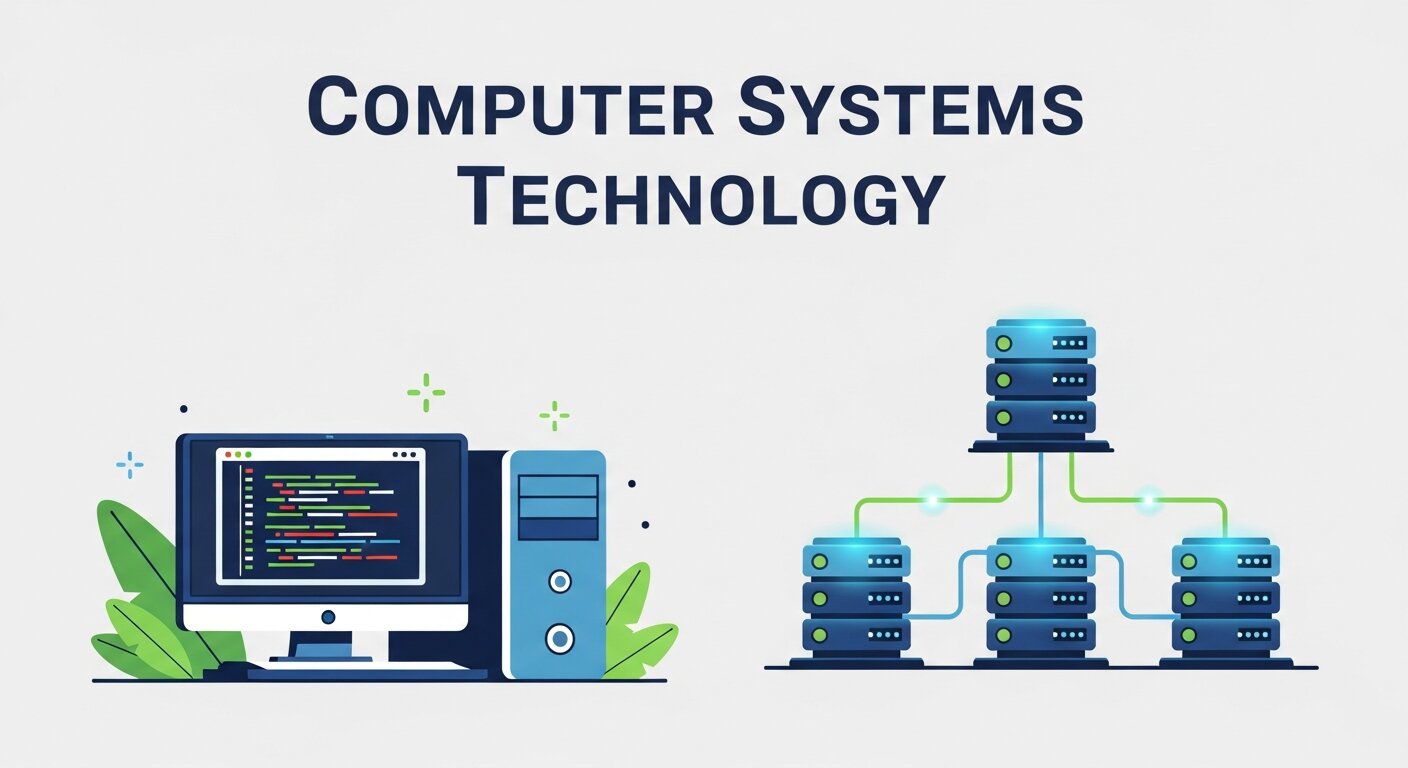
Modern enterprises operate on a complex web of servers, networks, and software applications. Managing this infrastructure requires a deep understanding of how hardware and software work together to drive operational success. Upgrading these underlying systems is a constant requirement for organizations wanting to maintain efficiency, protect sensitive data, and outpace their competitors.
Understanding current shifts in computer systems technology helps business leaders make smarter investment decisions. You can avoid wasting resources on obsolete hardware or software platforms that do not scale. Instead, you can build a resilient technology stack that supports remote teams, processes massive datasets securely, and adapts to unexpected market disruptions.
This guide explores the most impactful hardware and software advancements currently reshaping corporate infrastructure. We will look at how companies are bridging the gap between theoretical computing concepts and practical IT applications. By examining these developments, you will discover actionable ways to optimize your own network architecture and prepare your business for the next wave of digital transformation.
The Foundation of Modern Infrastructure
 Before analyzing specific industry trends, we must define the different disciplines that build and manage corporate networks. Many organizations struggle to organize their technical departments efficiently because they misunderstand the roles of their technical staff. Clarifying these functions ensures that your company hires the right talent for the right projects.
Computer Information Technology vs Computer Science
A common point of confusion for many business leaders is the distinction between different technical fields. Understanding computer information technology vs computer science helps clarify how hardware and software strategies are actually implemented.
Computer science focuses heavily on the theoretical foundations of computation and software design. Computer scientists write complex algorithms, develop new programming languages, and create the core software applications that businesses eventually use. Their work is highly analytical and often removed from the daily hardware maintenance of a standard office environment.
Computer information technology, on the other hand, deals with the practical application of these computing systems within a business environment. Professionals in this field install software networks, manage databases, troubleshoot hardware issues, and ensure that employees have secure access to the tools they need. While computer science builds the tools, information technology ensures those tools function correctly for the end user.
Information Technology Computer Science Synergy
The most successful companies do not isolate these two disciplines. Instead, they encourage a strong overlap of information technology computer science principles. When network administrators understand the underlying code of the applications they manage, they can optimize server performance much more effectively.
Conversely, software developers who understand the physical limitations of corporate hardware can write more efficient code. This synergy leads to systems that are both highly advanced and perfectly tailored to the practical constraints of the business. Fostering collaboration between your theoretical developers and your hands-on IT staff is the first step toward building a modernized tech infrastructure.
Cloud Integration and Hybrid Architectures
 The era of relying entirely on massive, physical servers stored in a company basement is effectively over. Businesses have realized that physical servers are expensive to maintain, difficult to scale, and vulnerable to localized disasters. This realization has triggered a massive shift toward decentralized computing.
The Shift to Cloud Infrastructure
Cloud computing allows companies to rent server space, software, and processing power from massive external data centers. This approach dramatically reduces the upfront capital required to launch new digital initiatives. Startups and enterprise corporations alike use cloud platforms to deploy applications globally within minutes.
However, many established businesses cannot move all their operations to the public cloud. They often have legacy software that requires local hosting, or they operate in strictly regulated industries that mandate physical control over specific data sets.
The Hybrid Cloud Solution
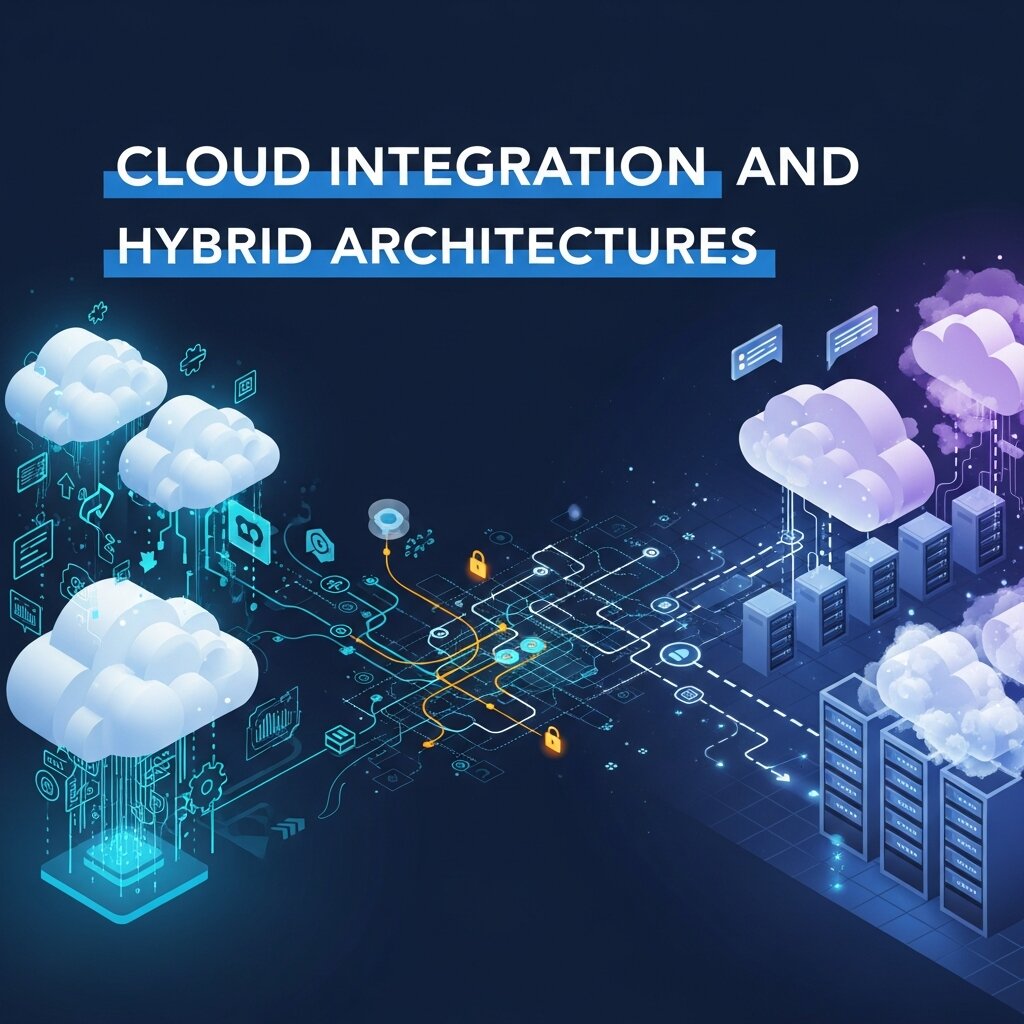
To solve this problem, businesses are adopting hybrid computer systems technology. A hybrid approach combines private, on-premises servers with public cloud resources. This allows a company to store highly sensitive customer data on its own secure, local servers while using the public cloud to run high-bandwidth applications.
Managing a hybrid environment requires sophisticated orchestration tools. IT departments must ensure seamless communication between local databases and external cloud platforms. When executed correctly, a hybrid setup offers the perfect balance of security, control, and infinite scalability.
The Rise of Edge Computing
While cloud computing centralizes data processing, another major trend is pushing processing power in the exact opposite direction. As businesses deploy more internet-connected devices, sending every piece of data back to a central cloud server creates noticeable delays.
Processing Data at the Source
Edge computing solves this latency problem by bringing the processing power directly to the physical location where the data is generated. Instead of sending raw data across the country to a massive server farm, a small, localized computer processes the information instantly.
For a manufacturing plant, edge computing means that sensors on an assembly line can detect a machine malfunction and shut down the equipment in milliseconds. If that sensor had to send data to a central cloud, wait for processing, and receive a command back, the machine might suffer catastrophic damage before the shutdown command arrived.
Synergy with the Internet of Things (IoT)
The explosion of edge computing is directly tied to the growth of the Internet of Things. Modern businesses use thousands of IoT devices, ranging from smart thermostats in office buildings to GPS trackers on delivery trucks.
Managing this vast network of physical devices falls squarely under the umbrella of modern computer information technology. IT professionals must secure these devices, ensure they have consistent network connectivity, and maintain the edge servers that process their data. This localized processing reduces bandwidth costs and ensures critical systems remain operational even if the main internet connection goes down.
Artificial Intelligence in Network Management
 Artificial intelligence is no longer just a buzzword for marketing teams; it is fundamentally changing how computer systems operate at the foundational level. Managing a modern corporate network is incredibly complex, with thousands of user accounts, software licenses, and security protocols to monitor simultaneously.
Automating Routine Operations
AI algorithms excel at monitoring complex networks and identifying operational anomalies. Traditional IT management required human administrators to constantly monitor dashboards and manually adjust server loads during traffic spikes. Now, AI-driven computer systems technology can automatically route network traffic, allocate extra processing power to high-demand applications, and reboot frozen servers without any human intervention.
This automation frees up IT staff to focus on strategic planning and complex problem-solving rather than mundane maintenance tasks. It also ensures that the network operates efficiently 24 hours a day, reducing costly downtime that frustrates customers and employees.
Predictive Hardware Maintenance
Another powerful application of AI in systems technology is predictive maintenance. Machine learning models can analyze the historical performance data of physical servers and hard drives. By recognizing subtle changes in temperature, error rates, or processing speeds, the AI can predict when a specific piece of hardware is likely to fail.
Instead of waiting for a server to crash and disrupt business operations, the IT department can proactively replace the failing component during scheduled maintenance hours. This predictive approach saves companies massive amounts of money in lost productivity and emergency repair costs.
Cybersecurity Innovations in Systems Technology
As corporate networks become more complex and decentralized, they also become more vulnerable to cyberattacks. A single data breach can cost a company millions of dollars in regulatory fines, legal fees, and lost customer trust. Consequently, cybersecurity has evolved from an afterthought into a core component of all system design.
Zero Trust Architecture
For decades, corporate networks operated on a “castle and moat” security model. If a user had the correct password to get inside the network, the system trusted them completely and allowed them to access almost everything. This model is wildly outdated in an era where hackers routinely steal passwords and employees work from unsecured home Wi-Fi networks.
Modern businesses are adopting a Zero Trust architecture. Under this model, the system assumes that every user, device, and network connection is hostile until proven otherwise. Even after a user logs in, they are only granted the absolute minimum access required to do their specific job. Furthermore, the system continually verifies the user’s identity and the security posture of their device throughout the session.
Automated Threat Detection and Response
Human security analysts simply cannot monitor the sheer volume of security alerts generated by a modern corporate network. To combat automated cyberattacks, businesses must use automated defense systems.
Advanced security software uses behavioral analytics to establish a baseline of normal activity for every user and device on the network. If an employee’s account suddenly attempts to download thousands of sensitive files at three in the morning, the system immediately recognizes this as abnormal behavior. The automated system can instantly lock the account, sever the device’s network connection, and alert the security team, stopping the data breach before it happens.
Preparing Your Organization for Quantum Computing
While cloud platforms, edge devices, and AI automation are shaping current IT strategies, business leaders must also keep an eye on the horizon. Quantum computing represents a massive paradigm shift that will eventually disrupt every industry that relies on data processing.
Unprecedented Processing Power
Traditional computers process information using bits, which represent either a zero or a one. Quantum computers use quantum bits, or qubits, which can exist in multiple states simultaneously. This allows quantum computers to perform complex calculations at speeds that are completely impossible for traditional hardware.
While commercial quantum computers are still years away from widespread adoption, their potential impact is staggering. They will be able to optimize global supply chains in seconds, accelerate the discovery of new pharmaceutical drugs, and crack the encryption methods currently used to secure the internet.
Future-Proofing Your Infrastructure
Forward-thinking organizations are already preparing for this quantum shift. They are exploring “quantum-safe” encryption algorithms to protect their long-term data from future attacks. They are also partnering with technology vendors to ensure their current systems can eventually integrate with quantum cloud services.
By staying informed about these experimental technologies, your organization can pivot quickly when they finally become commercially viable, securing a massive competitive advantage over companies that failed to plan ahead.
Frequently Asked Questions (FAQ)
What is computer systems technology?
Computer systems technology refers to the combination of hardware, software, networks, and IT infrastructure used to manage digital operations. It helps businesses store data, run applications, secure information, and improve communication across different departments and connected devices.
What is the difference between computer science and information technology?
Computer science focuses on programming, algorithms, and software development, while information technology focuses on managing hardware, networks, databases, and business systems. Computer science creates digital tools, whereas IT professionals maintain and optimize those tools within organizations.
Why is cloud computing important for businesses?
Cloud computing helps businesses reduce hardware costs, improve scalability, and access data remotely. Companies can deploy applications quickly, support remote employees, and store information securely without relying entirely on expensive on-site servers and infrastructure maintenance.
What is edge computing in computer systems technology?
Edge computing processes data closer to where it is created instead of sending everything to centralized cloud servers. This reduces delays, improves speed, lowers bandwidth usage, and supports real-time applications like manufacturing automation, IoT devices, and smart monito
Upgrading Your Corporate Infrastructure
Remaining competitive requires a constant evaluation of your underlying technology stack. The hardware and software running your operations dictate how fast your employees can work, how securely your data is stored, and how quickly you can launch new products.
Start by auditing your current infrastructure to identify bottlenecks and vulnerabilities. Look for opportunities to shift heavy workloads to the cloud while utilizing edge computing for your time-sensitive, localized data. Encourage your IT department to embrace AI automation to reduce manual maintenance and deploy a Zero Trust security model to protect your digital assets. By treating your computer systems technology as a strategic investment rather than a necessary expense, you can build a resilient, scalable foundation that supports your business goals for years to come.



Leave a Reply