

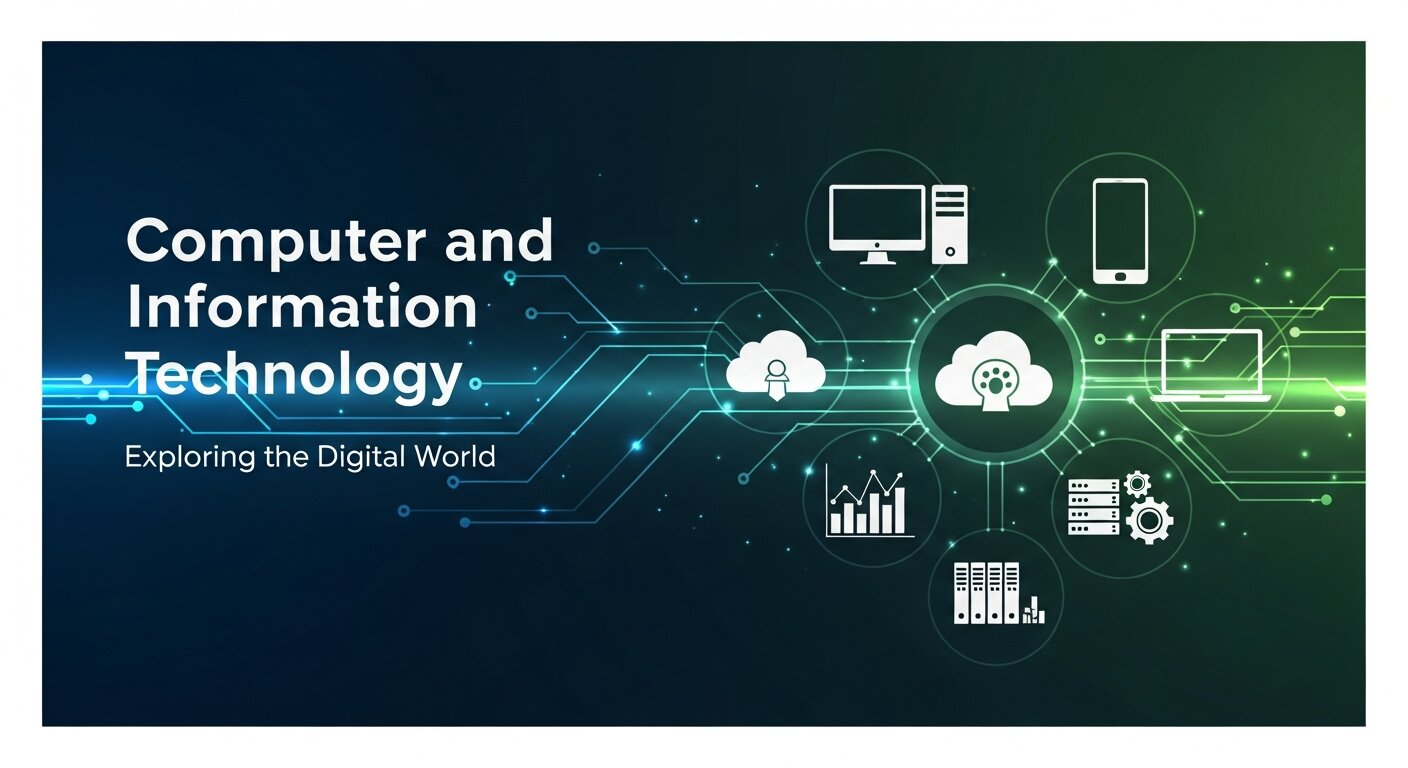
Almost every modern business relies on complex digital infrastructure to function. When you order groceries online, schedule a medical appointment, or stream a movie, a massive web of hardware and software works behind the scenes to make it happen. This hidden framework is the backbone of the modern economy, allowing global communication and instant data access.
People often throw around terms like “tech” or “IT” without fully grasping what they mean. The terminology can be confusing, especially when trying to differentiate between closely related fields. You might hear someone say they work in computer information technology, while another claims to be in computer science. Understanding the nuances between these terms is essential for anyone looking to enter the workforce, upgrade their business systems, or simply make sense of the digital tools they use every day.
This guide breaks down exactly what computer and information technology actually is. You will learn how the different components of IT systems interact, explore the diverse career paths available, and get a clear answer on how computer science vs information technology really compares. By the end of this post, you will have a solid grasp of the digital landscape and how it keeps the world running.
What is Computer and Information Technology?
At its core, computer information technology involves the use of computers, storage, networking, and other physical devices to create, process, store, secure, and exchange all forms of electronic data. It is a broad term that encompasses the entire digital infrastructure of a business or organization. Instead of just focusing on the individual laptop on your desk, IT looks at how that laptop connects to the wider network, accesses data securely, and runs the software necessary for you to do your job.
To fully understand this field, we need to look at its primary building blocks.
The Hardware Components
Hardware refers to the physical devices that make up an IT environment. This includes the personal computers, tablets, and smartphones used by employees. It also covers the massive servers housed in data centers that store company records and run enterprise applications. Without reliable hardware, the entire digital system would collapse.
IT professionals must constantly evaluate hardware needs, ensuring machines have enough processing power, memory, and storage to handle daily operations. They manage the lifecycle of these devices, from initial purchase and setup to eventual retirement and recycling.
The Software Systems
If hardware is the physical body of computer information technology, software is the brain. Software includes the operating systems (like Windows, macOS, or Linux) that manage hardware resources. It also encompasses all the applications and programs used to perform specific tasks.
This ranges from basic word processors and email clients to complex enterprise resource planning (ERP) systems and customer relationship management (CRM) databases. IT teams are responsible for installing, updating, and patching software to ensure it runs smoothly and remains secure against potential threats.
Networks and Communication
Networking is the connective tissue of information technology. A network allows different devices to communicate with one another and share resources. This includes local area networks (LANs) within a single office building and wide area networks (WANs) that connect global branches of a multinational corporation.
Routers, switches, and firewalls work together to direct data traffic efficiently and keep unauthorized users out. Today, networking also extends into the cloud. Cloud computing allows organizations to host data and applications on remote servers, giving employees the ability to access critical information from anywhere with an internet connection.
The Daily Impact of Information Technology
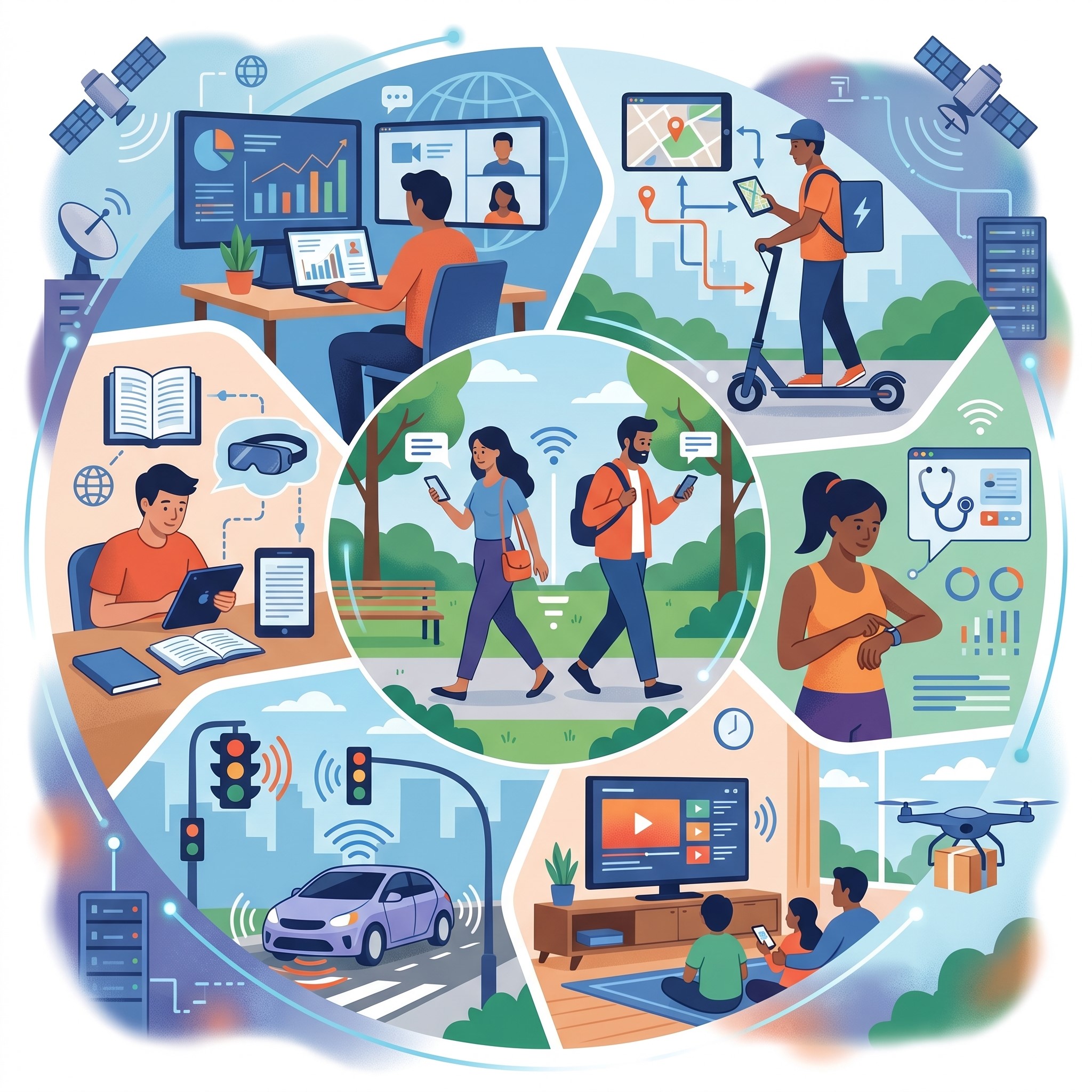 You can see the impact of robust IT systems in almost every industry. In healthcare, electronic medical records allow doctors to access a patient’s entire medical history instantly, improving diagnostic accuracy and patient outcomes. In retail, point-of-sale systems track inventory in real-time, automatically triggering reorders when stock runs low.
Financial institutions rely on secure IT infrastructure to process millions of transactions per second, utilizing advanced encryption to protect sensitive customer data. Even agriculture has embraced information technology, using networked sensors to monitor soil moisture levels and automate irrigation systems.
A strong IT department ensures that these systems operate without interruption. When a server goes down or a network is compromised, productivity grinds to a halt. The primary goal of any IT team is to maintain business continuity, keeping systems fast, reliable, and secure.
Computer Science vs Information Technology
People frequently confuse computer science and information technology. While the two fields overlap significantly, they represent different sides of the technological coin.
The Role of Computer Science
Computer science focuses entirely on the creation and underlying theory of computer software and systems. Computer scientists are the architects and builders of the digital world. They write code, design algorithms, and develop new programming languages.
A computer science professional might spend their day building a new artificial intelligence model, developing a complex software application from scratch, or figuring out how to make a database run faster at the code level. The work requires a deep understanding of mathematics, logic, and computational theory. If a company wants to invent a brand new software product to sell to customers, they hire computer scientists.
The Role of Information Technology
Information technology focuses on the application and management of those systems to solve business problems. IT professionals take the hardware and software created by computer scientists and figure out how to use them effectively within an organization.
An IT professional might spend their day setting up a secure network for a new office, configuring a database so employees can track sales, or troubleshooting a broken email server. They act as the bridge between complex technology and the end-users who need that technology to do their jobs. While they may write scripts to automate tasks, they generally do not build new software applications from scratch. If a company needs to ensure its employees can work securely and efficiently, they hire IT professionals.
Core Careers in Computer Information Technology
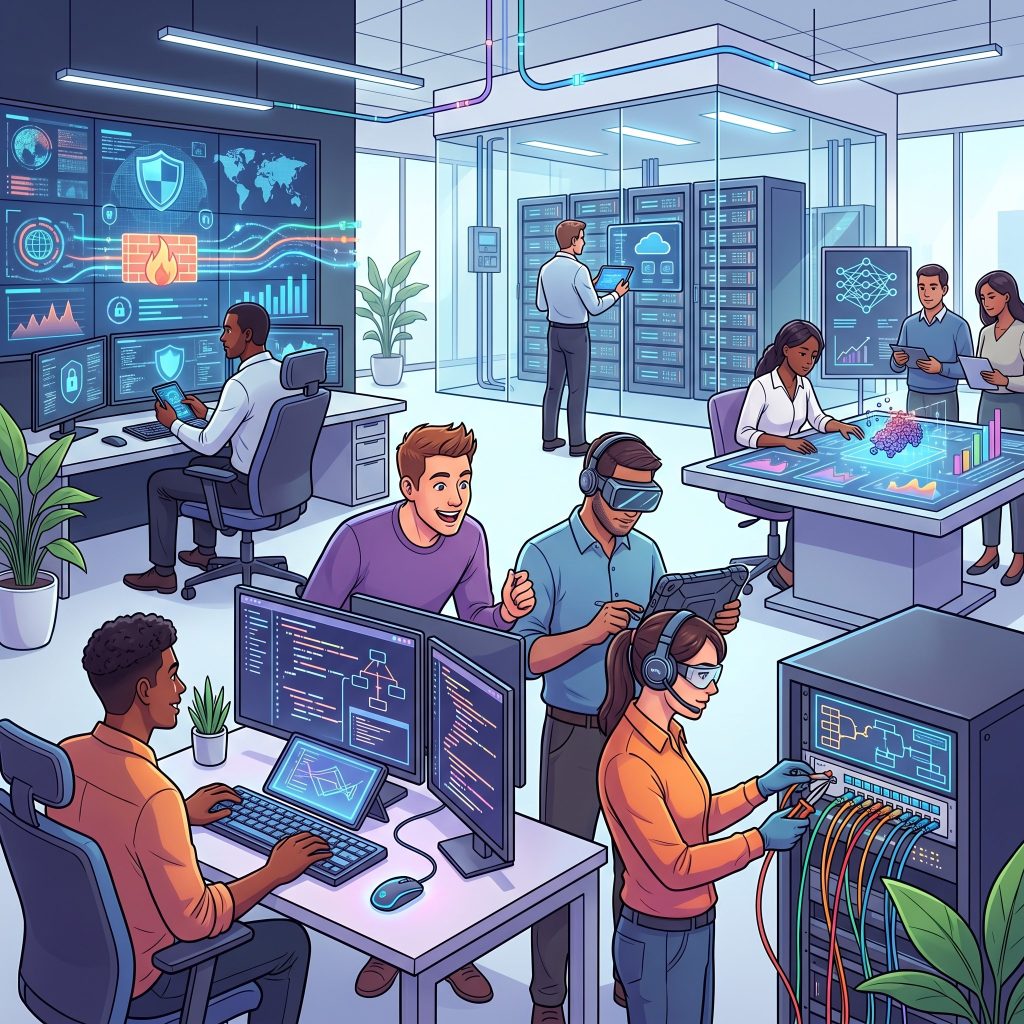 Because the field is so vast, there are dozens of specialized career paths within computer information technology. Here are a few of the most common roles.
Network Administrator
Network administrators are responsible for the day-to-day operation of computer networks. They install and configure network equipment like routers and switches. They monitor network performance, troubleshoot connectivity issues, and ensure that data flows quickly and securely between devices. This role requires a strong understanding of network protocols and infrastructure design.
Cybersecurity Analyst
With cyber attacks becoming more frequent and sophisticated, cybersecurity analysts are in high demand. These professionals focus on protecting an organization’s IT infrastructure from hackers, malware, and data breaches. They monitor networks for suspicious activity, conduct vulnerability assessments, and design security protocols. When a breach does occur, they lead the incident response effort to contain the damage and restore system integrity.
Cloud Architect
As more companies move their operations to the cloud, the need for cloud architects has skyrocketed. These professionals design and manage an organization’s cloud computing strategy. They evaluate different cloud providers (like Amazon Web Services, Microsoft Azure, or Google Cloud), design cloud architecture, and oversee the migration of data and applications from local servers to cloud environments.
IT Support Specialist
Often serving as the first point of contact for technical issues, IT support specialists help end-users resolve computer problems. They troubleshoot hardware and software issues, set up new workstations for employees, and provide training on new technologies. This role requires excellent problem-solving skills and the ability to explain technical concepts in plain language.
The Future of IT Systems
The field of computer information technology is constantly evolving. Several emerging trends are currently reshaping how organizations manage their digital infrastructure.
Artificial intelligence and machine learning are being integrated into IT operations to automate routine tasks. AI tools can now monitor network traffic, automatically identify security threats, and even fix minor system errors without human intervention. This allows IT professionals to focus on higher-level strategic planning.
Edge computing is another major shift. Traditionally, data collected by devices (like a smart thermostat or a factory sensor) had to be sent back to a centralized cloud server for processing. Edge computing moves that processing power closer to the source of the data. This reduces latency and bandwidth usage, allowing for much faster decision-making in critical applications.
The Internet of Things (IoT) continues to expand the scope of IT. Millions of everyday objects are now connected to the internet, generating massive amounts of data. IT teams must figure out how to securely connect these devices to corporate networks and manage the influx of new information.
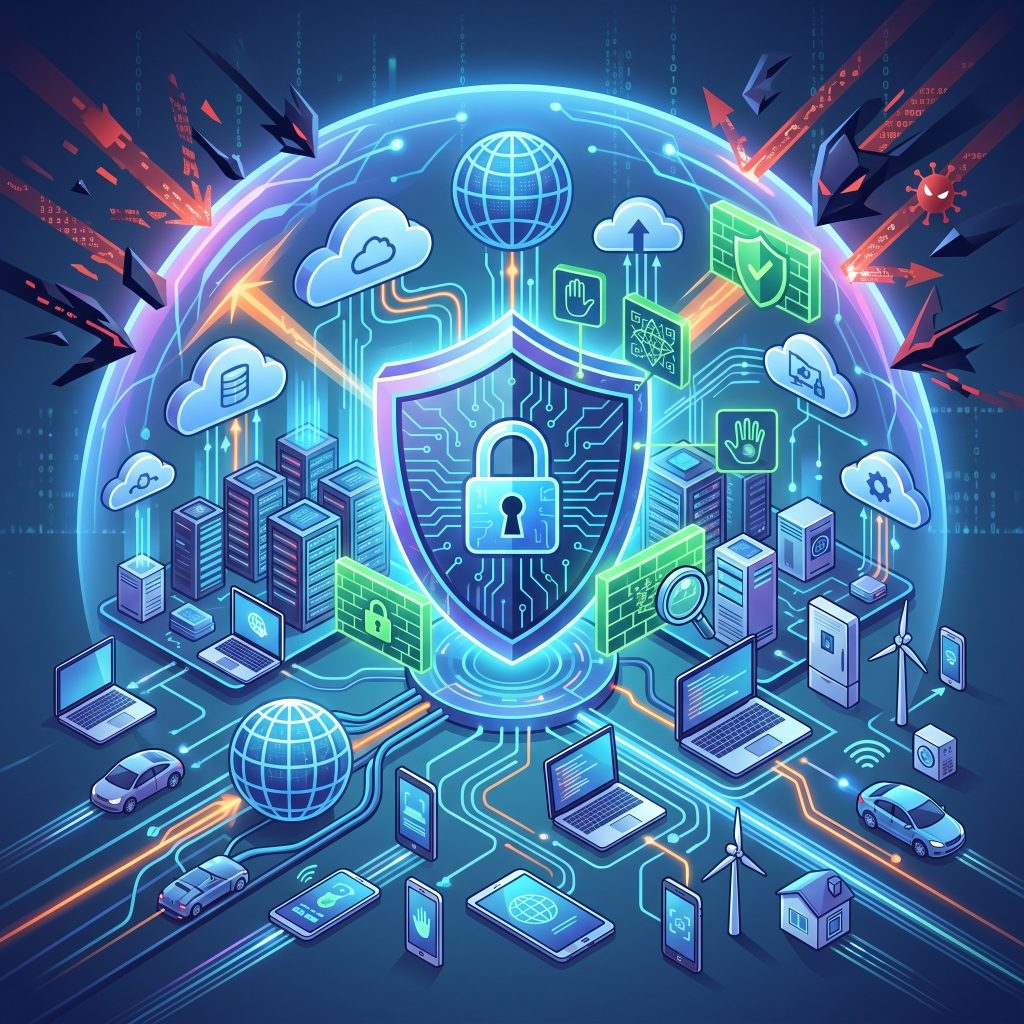 As businesses rely more heavily on digital systems, cybersecurity has become a critical component of information technology. Data breaches, ransomware attacks, and phishing scams are increasing in both frequency and sophistication. Organizations must implement strong security measures such as firewalls, encryption, and multi-factor authentication to protect sensitive data. IT teams also conduct regular security audits and vulnerability testing to identify weaknesses before attackers exploit them.
Frequently Asked Questions (FAQ)
What is computer and information technology in simple terms?
Computer and information technology refers to the use of computers, software, and networks to store, process, and share data. It includes everything from personal devices to large enterprise systems that keep businesses running efficiently.
Is computer information technology a good career choice?
Yes, it is one of the most in-demand career fields globally. Businesses in every industry rely on IT systems, creating strong job security, competitive salaries, and multiple career paths such as networking, cybersecurity, and cloud computing.
Do I need a degree to work in information technology?
Not always. While a degree can be helpful, many IT professionals start their careers through certifications like CompTIA A+, Cisco CCNA, or AWS certifications. Practical skills and hands-on experience often matter just as much as formal education.
What skills are required for a career in IT?
Key skills include problem-solving, basic networking knowledge, understanding of operating systems, cybersecurity awareness, and communication skills. Learning scripting languages like Python can also provide an advantage.
Next Steps for Aspiring Tech Professionals
The demand for skilled technology workers shows no signs of slowing down. As businesses continue to digitize their operations, they will rely heavily on computer information technology to stay competitive, secure, and efficient. Understanding the foundational hardware, software, and networking concepts gives you a significant advantage in the modern workforce.
If you are interested in pursuing a career in this field, start by evaluating your current skill set. Look into entry-level certifications to build your foundational knowledge. Explore online tutorials regarding network basics, operating systems, and basic cybersecurity principles. The digital landscape requires constant learning, and taking that first step toward understanding enterprise technology will open up a wide range of professional opportunities.



Leave a Reply