

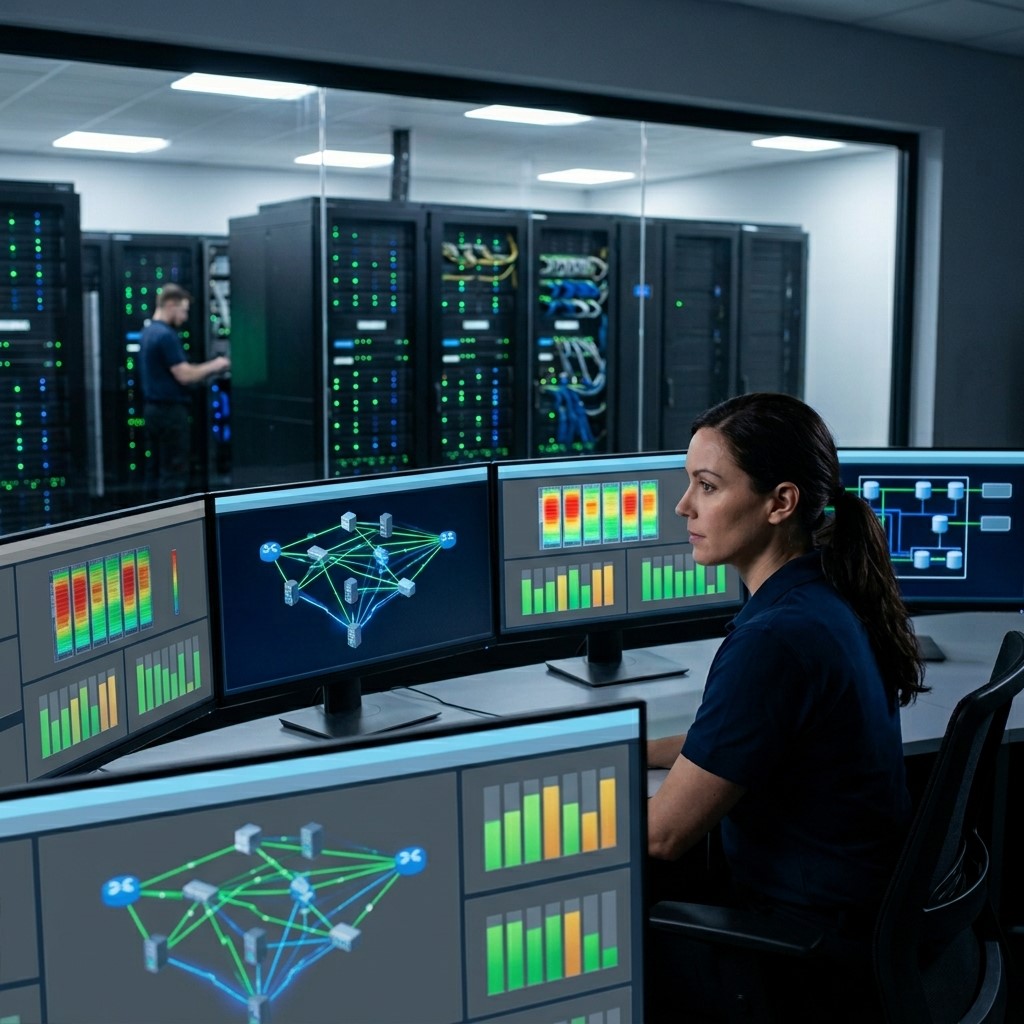
Digital transformation has fundamentally shifted how organizations operate, deliver value, and interact with their customers. Companies across every industry are adopting new digital tools to streamline operations and enhance user experiences. Yet, many of these ambitious initiatives stall or fail to deliver the expected results. The underlying culprit is often an outdated or poorly maintained technological foundation. You cannot build a smart, agile business on top of rigid, legacy systems.
This brings us to the core of successful modernization: IT infrastructure management. When a company decides to digitize its processes, the physical and virtual assets supporting those processes must be capable of handling increased loads, faster data processing, and more complex security requirements. Proper management of these assets ensures that new applications and services function smoothly without causing widespread system failures or performance bottlenecks.
By prioritizing the backbone of your technological environment, you enable sustainable growth and innovation. This article explores how effective management of your technological assets acts as the critical enabler for any digital transformation strategy, exploring the necessary components, common challenges, and strategic steps to ensure your organization remains competitive.
Decoding the Elements of IT Infrastructure
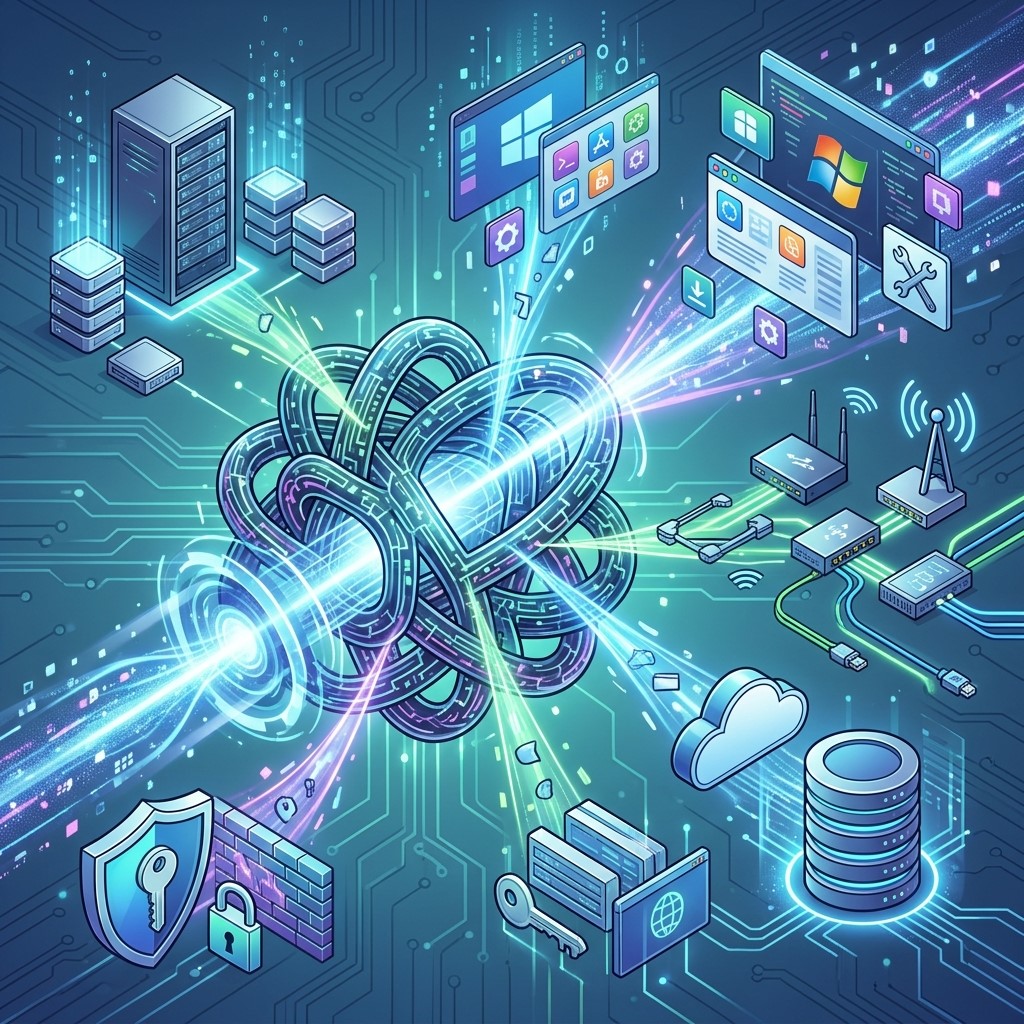 To appreciate how infrastructure impacts transformation, we must first break down what it actually entails. IT infrastructure encompasses all the hardware, software, network resources, and services required for the existence, operation, and management of an enterprise IT environment.
Computer hardware and physical assets
The most visible components of any IT environment are the physical devices. Computer hardware includes everything from enterprise servers and data centers to the desktop computers and mobile devices used by employees every day. Managing these assets involves monitoring their lifecycle, ensuring they have the processing power to handle modern applications, and replacing them before they become a liability. Outdated hardware struggles to run advanced software, leading to system crashes, slow processing times, and frustrated employees. Upgrading these physical components is often the first step in preparing for a broader digital shift.
Computer networking and data flow
A robust digital business relies on the seamless transmission of data. Computer networking forms the circulatory system of your organization, connecting various hardware components and allowing them to communicate with one another and the outside world. This includes routers, switches, firewalls, and the cabling or wireless access points that tie them together. As companies adopt cloud applications and remote work policies, the demand on computer networking infrastructure grows exponentially. Managing this network effectively means ensuring high bandwidth, low latency, and secure connections so that data can flow uninterrupted across the organization.
Comprehensive technology solutions
Beyond the physical hardware and the networks that connect them, modern infrastructure involves an array of technology solutions designed to optimize operations. This includes virtualization software, operating systems, database management systems, and cloud platforms. Managing these elements requires a strategic approach to software licensing, patch management, and system integration. When these technology solutions are properly aligned with business objectives, they create an agile environment where new applications can be deployed rapidly and scaled efficiently.
Why Digital Transformation Depends on Solid IT Infrastructure Management
Digital transformation is heavily reliant on data. Organizations collect, analyze, and leverage massive amounts of data to make informed decisions and personalize customer experiences. Without strong IT infrastructure management, this data remains siloed, inaccessible, or vulnerable to security breaches.
A well-managed infrastructure provides the reliability necessary for continuous operations. When you deploy a new customer relationship management system or an enterprise resource planning tool, it requires constant uptime. Effective infrastructure management involves proactive monitoring and maintenance, identifying potential failures before they impact the end user. This reliability builds trust with both employees and customers, who expect digital services to be available around the clock.
Furthermore, digital transformation often introduces unpredictable workloads. A successful marketing campaign might drive a sudden spike in website traffic, or a new analytics tool might require immense processing power for a short period. Managed infrastructure offers scalability. By utilizing cloud resources and virtualized environments, IT teams can dynamically allocate computing power where it is needed most, preventing slowdowns and ensuring a consistent user experience.
The Key Pillars of Modernizing Your IT Environment
Modernizing an organization requires a structured approach to how technology is governed and maintained. There are several critical pillars that IT leaders must focus on to support ongoing digital initiatives.
Embracing scalable technology solutions
Scalability is a fundamental requirement for any growing business. Traditional, on-premises data centers require significant capital investment and take months to upgrade. Today, IT infrastructure management heavily involves migrating workloads to the cloud. Infrastructure as a Service (IaaS) and Platform as a Service (PaaS) offer flexible computing environments where resources can be scaled up or down with a few clicks. This flexibility allows organizations to test new digital products without committing to expensive hardware purchases, fostering a culture of innovation and rapid prototyping.
Prioritizing security and compliance
As operations become increasingly digital, the attack surface for cyber threats expands. Cybercriminals actively target vulnerable networks, unpatched software, and unsecured hardware. Security cannot be an afterthought in digital transformation; it must be baked into the infrastructure management strategy. This involves implementing robust firewalls, intrusion detection systems, and end-to-end encryption. Additionally, IT managers must ensure that the infrastructure complies with industry regulations regarding data privacy and storage. Automated compliance monitoring and regular security audits are vital practices to protect sensitive business data.
Optimizing hybrid and multi-cloud environments
Few organizations rely entirely on a single cloud provider or maintain all their assets on-premises. The reality for most enterprises is a complex hybrid or multi-cloud environment. Managing this complexity requires sophisticated orchestration tools and a deep understanding of how different systems interact. IT teams must ensure seamless integration between legacy applications and cloud-native services. Effective management of these diverse environments prevents data silos and allows for unified visibility across the entire technological landscape.
Overcoming Common Roadblocks in Infrastructure Management
Transforming an IT environment is rarely a smooth journey. Organizations frequently encounter obstacles that can derail their digital initiatives if not handled appropriately.
One major challenge is technical debt. Years of patching outdated systems, utilizing custom workarounds, and delaying necessary upgrades accumulate into a brittle infrastructure. Breaking free from technical debt requires a clear assessment of existing assets and a ruthless prioritization of what needs to be replaced. Continuing to build new digital services on a foundation of technical debt is a recipe for instability.
Another common roadblock is the skills gap. Modern IT infrastructure management requires expertise in cloud architecture, cybersecurity, and automation. Many organizations struggle to find and retain talent with these specialized skills. To overcome this, companies must invest in training their existing workforce and consider partnering with managed service providers who can supply the necessary expertise on demand.
Finally, aligning IT strategies with business goals remains a persistent struggle. IT departments sometimes operate in a vacuum, focusing purely on technical metrics rather than business outcomes. For infrastructure management to truly drive digital transformation, IT leaders must have a seat at the executive table. They need to understand the company’s long-term objectives so they can architect an infrastructure that supports those specific goals.
Strategic Steps for Upgrading Your IT Framework
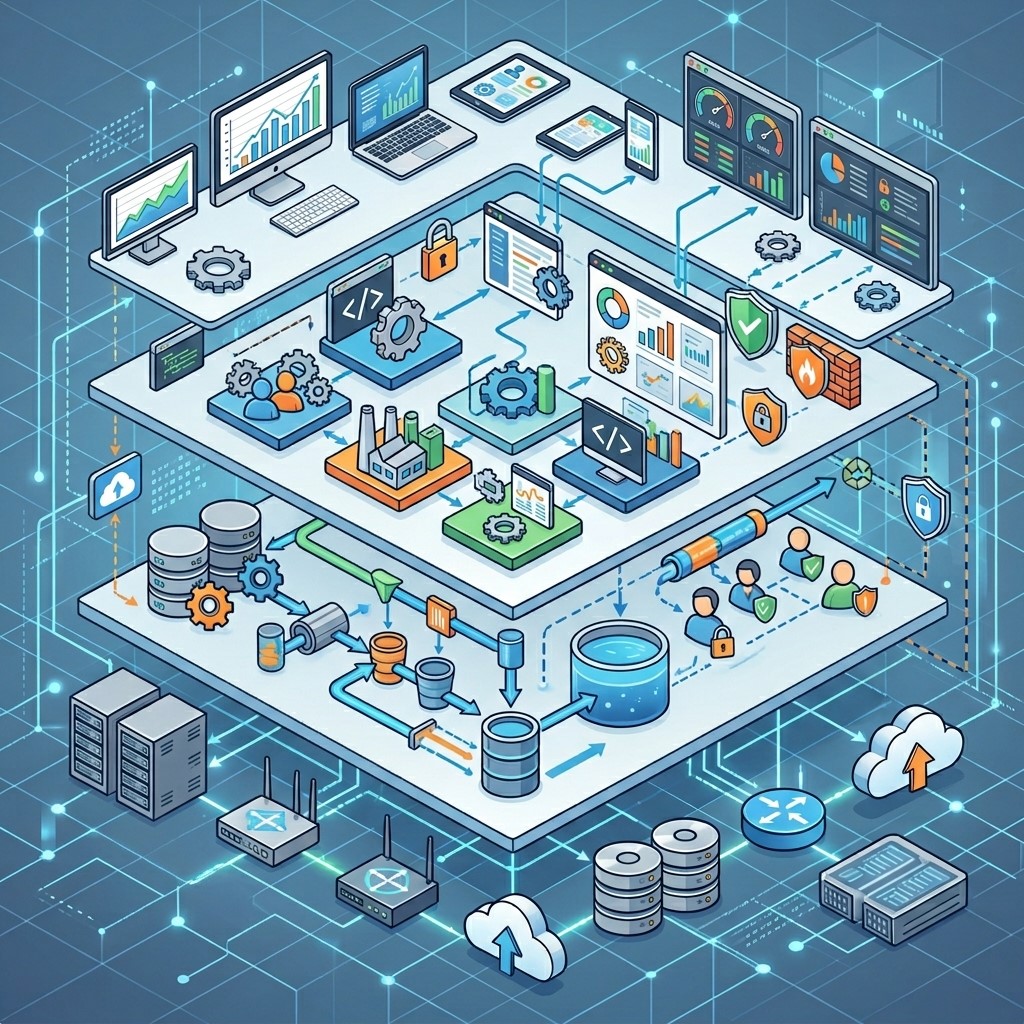 If your organization is embarking on a digital transformation journey, taking deliberate steps to upgrade your infrastructure management practices is essential.
Start with a comprehensive audit. You cannot manage what you do not understand. Inventory all computer hardware, map out your computer networking topology, and catalog all software and technology solutions currently in use. Identify redundancies, security vulnerabilities, and systems that are nearing the end of their lifecycle.
Next, implement automation wherever possible. Manual provisioning of servers, routine software patching, and network configurations consume valuable time and are prone to human error. Infrastructure as Code (IaC) allows IT teams to manage and provision computing environments through machine-readable definition files, drastically reducing deployment times and ensuring consistency across environments.
Focus on observability rather than just monitoring. Traditional monitoring tells you when a system goes down; observability helps you understand why. By aggregating logs, metrics, and traces from across your entire infrastructure, you gain actionable insights into system performance. This deep visibility allows IT teams to identify root causes of performance degradation and resolve issues proactively.
Cloud Migration Strategy and Its Role in Modern IT Infrastructure
Cloud migration is a critical step in transforming traditional IT environments into scalable, flexible, and cost-efficient systems. It involves moving data, applications, and workloads from on-premises infrastructure to cloud platforms such as IaaS, PaaS, or hybrid cloud environments. A well-planned migration strategy ensures minimal downtime, data integrity, and smooth integration with existing systems. Organizations must evaluate which workloads are suitable for the cloud, prioritize sensitive data security, and choose the right deployment model. Successful cloud migration also requires change management, employee training, and continuous optimization after migration. When executed properly, it enhances scalability, reduces operational costs, and enables faster innovation cycles, making businesses more agile in responding to market demands and technological advancements.
Automation and DevOps Integration in IT Infrastructure Management
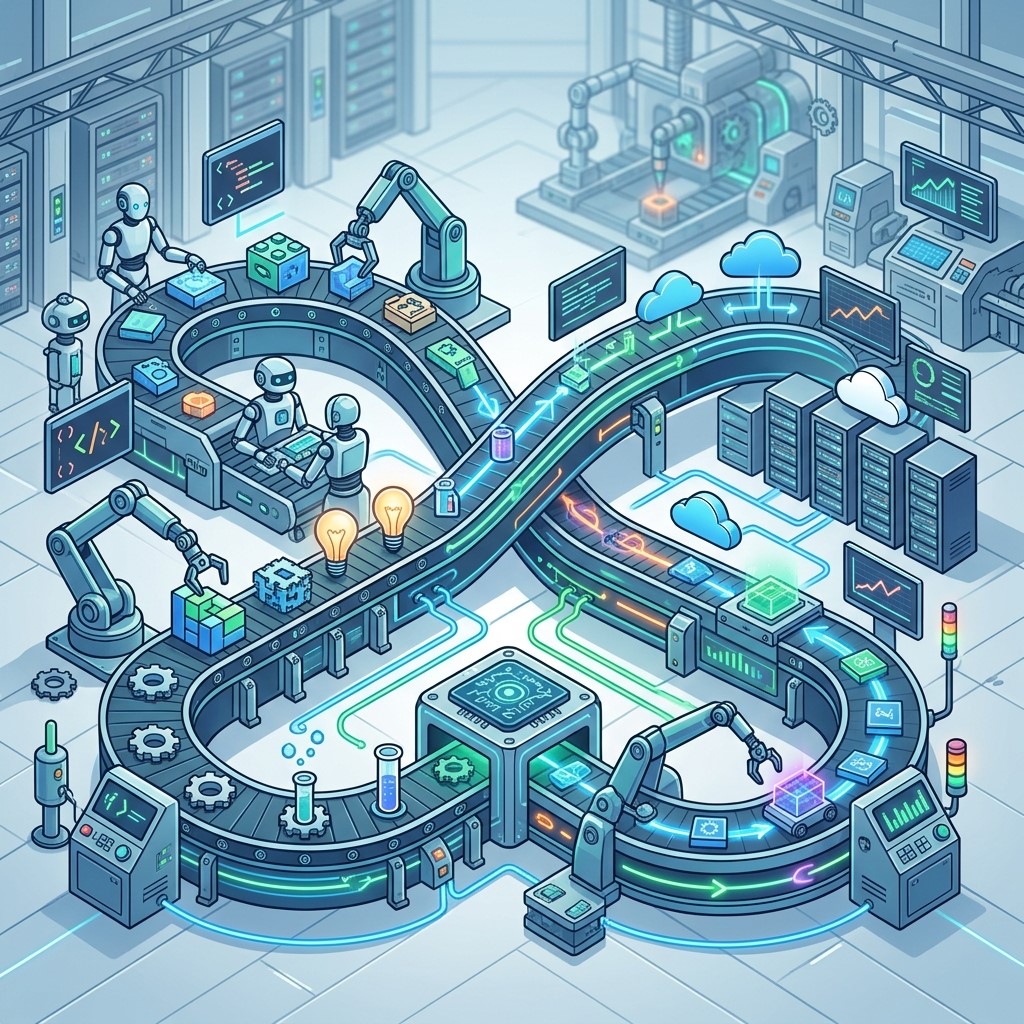 Automation and DevOps practices are transforming how IT infrastructure is managed by reducing manual effort and increasing operational efficiency. Through automation, repetitive tasks such as server provisioning, software updates, configuration management, and backup processes can be executed with minimal human intervention. DevOps further bridges the gap between development and operations teams, enabling faster deployment cycles and improved collaboration. Tools like CI/CD pipelines ensure that code changes are tested, integrated, and deployed seamlessly across environments. Infrastructure as Code (IaC) plays a key role in maintaining consistency and reducing configuration errors. By integrating automation and DevOps into infrastructure management, organizations can achieve higher reliability, faster innovation, and improved system stability while significantly reducing the risk of human error and operational delays.
Performance Monitoring and Observability in Modern IT Systems
Performance monitoring and observability are essential components of effective IT infrastructure management. While traditional monitoring focuses on detecting system failures or downtime, observability goes deeper by providing insights into why issues occur. It achieves this by collecting and analyzing logs, metrics, and traces across the entire IT ecosystem. This enables IT teams to understand system behavior in real time and identify performance bottlenecks before they impact users. Advanced observability tools also support predictive analysis, helping organizations anticipate potential failures and optimize system performance proactively. In modern digital environments where applications are distributed across cloud and hybrid systems, observability ensures complete visibility and control. As a result, businesses can maintain high availability, improve user experience, and make data-driven decisions to continuously enhance infrastructure performance.
FAQ Section: IT Infrastructure Management
1. What is IT infrastructure management?
IT infrastructure management is the process of overseeing and maintaining all hardware, software, networks, and systems that support an organization’s IT environment.
2. Why is IT infrastructure important for digital transformation?
It provides the foundation needed for running digital tools, applications, and services reliably, securely, and at scale.
3. What are the main components of IT infrastructure?
The main components include computer hardware, computer networking systems, and various software and cloud-based technology solutions.
4. How does outdated infrastructure affect business performance?
Outdated systems can cause slow performance, system crashes, security vulnerabilities, and limit scalability for new digital initiatives.
5. What role does scalability play in IT infrastructure management?
Scalability allows organizations to increase or decrease computing resources based on demand, ensuring smooth performance during traffic spikes or growth.
6. What is technical debt in IT infrastructure?
Technical debt refers to the accumulated problems caused by outdated systems, quick fixes, and delayed upgrades that make infrastructure harder to maintain.
7. How does cloud computing support IT infrastructure management?
Cloud computing provides flexible, on-demand resources that reduce the need for physical hardware and make scaling faster and more cost-effective.
8. Why is security important in IT infrastructure management?
Security protects systems from cyber threats, data breaches, and unauthorized access, ensuring business continuity and compliance.
9. What is Infrastructure as Code (IaC)?
Infrastructure as Code is a method of managing IT infrastructure using code-based configuration files instead of manual setup, improving speed and consistency.
10. How can organizations improve IT infrastructure management?
They can start with audits, adopt automation, improve monitoring through observability, reduce technical debt, and align IT goals with business objectives.
Driving Future Growth Through Strategic IT Management
Digital transformation is not a finite project with a definitive end date. It is a continuous process of adapting to new technologies, shifting market demands, and evolving customer expectations. The technological foundation of your organization must be equally dynamic.
Strategic IT infrastructure management transitions the IT department from a reactive support function to a proactive driver of business value. By continuously optimizing computer hardware, securing computer networking, and deploying advanced technology solutions, you create an environment where innovation thrives. Organizations that recognize the profound impact of their infrastructure will be the ones that navigate the complexities of the digital age with agility and confidence. Prioritize the health, security, and scalability of your technological framework, and you will secure a sustainable competitive advantage for years to come.



Leave a Reply