

Every business wants to grow, reach new customers, and increase revenue. Reaching those goals requires more than just a great product or service. Companies must optimize their daily operations, secure their data, and communicate flawlessly across different time zones. The backbone of all these functions is technology.
Integrating the right tools into your daily workflow can completely transform how your company operates. Leaders who embrace modernization often see immediate improvements in productivity. Their teams spend less time on manual data entry and more time on high-impact projects. Customer satisfaction rises because software handles support tickets and product delivery with remarkable precision.
This blog post explores how modern businesses utilize computer technology solutions to scale their operations. We will examine the exact types of systems driving innovation across different industries. You will learn how software and hardware integration creates a measurable competitive advantage, and how you can implement these strategies within your own organization.
The Core of Modern Business: Computer Systems Technology
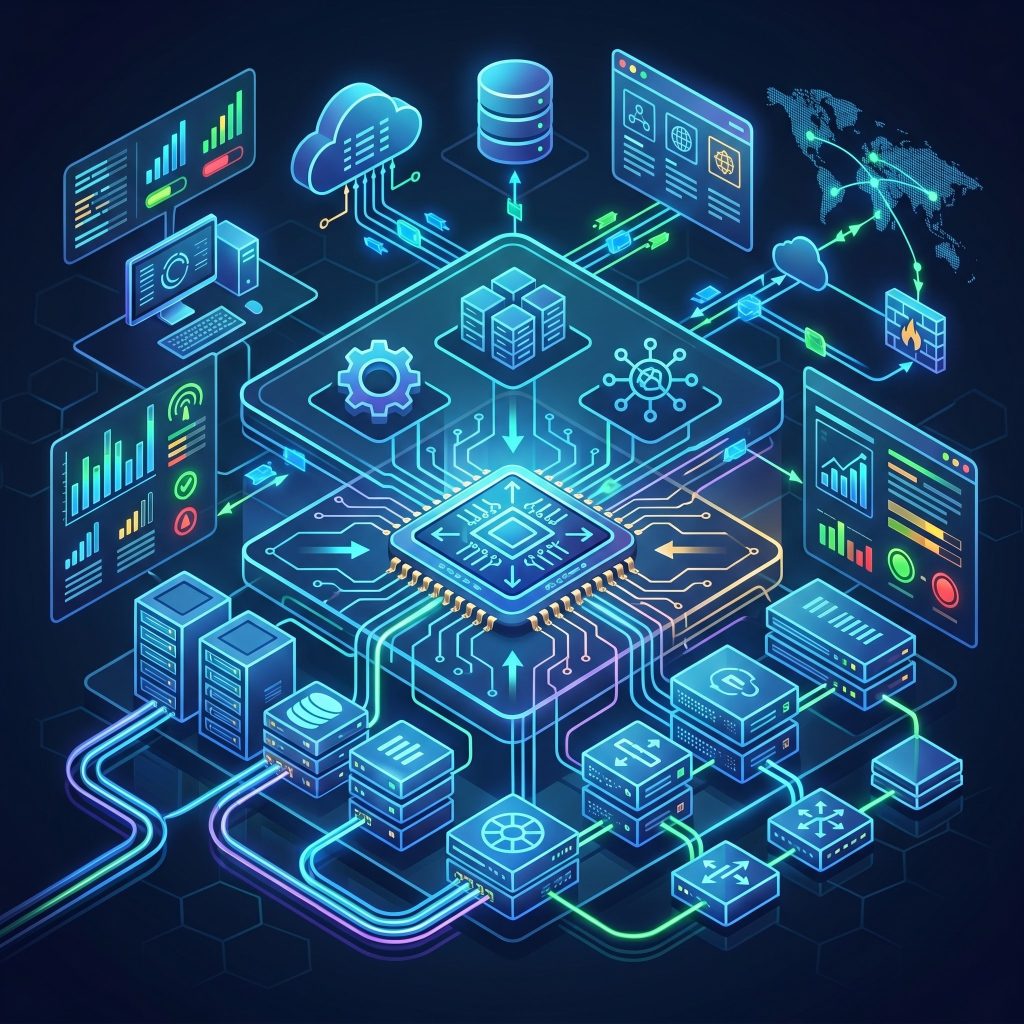 Hardware and software networks form the central nervous system of any successful company. Computer systems technology encompasses the physical servers, desktop computers, mobile devices, and the operating systems that connect them. When these elements work in perfect harmony, a business runs smoothly. When they fail, productivity halts.
Streamlining Daily Operations
Routine tasks consume hours of valuable employee time. Approving invoices, scheduling meetings, and managing inventory require constant attention. Modern infrastructure automates these processes. A robust system tracks inventory levels in real-time and automatically orders new supplies before they run out.
Employees gain access to centralized dashboards where they can monitor project progress at a glance. This level of transparency eliminates confusion and redundant work. Instead of sending emails to check on a task’s status, team members simply log into the system. The software updates instantly, keeping everyone aligned on the company’s immediate goals.
Enhancing Internal and External Communication
Clear communication determines the success of any collaborative project. Modern technology provides platforms for instant messaging, video conferencing, and collaborative document editing. Teams located on different continents can work on the same presentation simultaneously.
External communication benefits just as much. Customer relationship management (CRM) software tracks every interaction a client has with your company. Sales representatives can see exactly when a customer last called and what issue they discussed. This context allows your team to provide personalized support, building trust and encouraging repeat business.
Bridging the Gap: Information Technology Computer Science
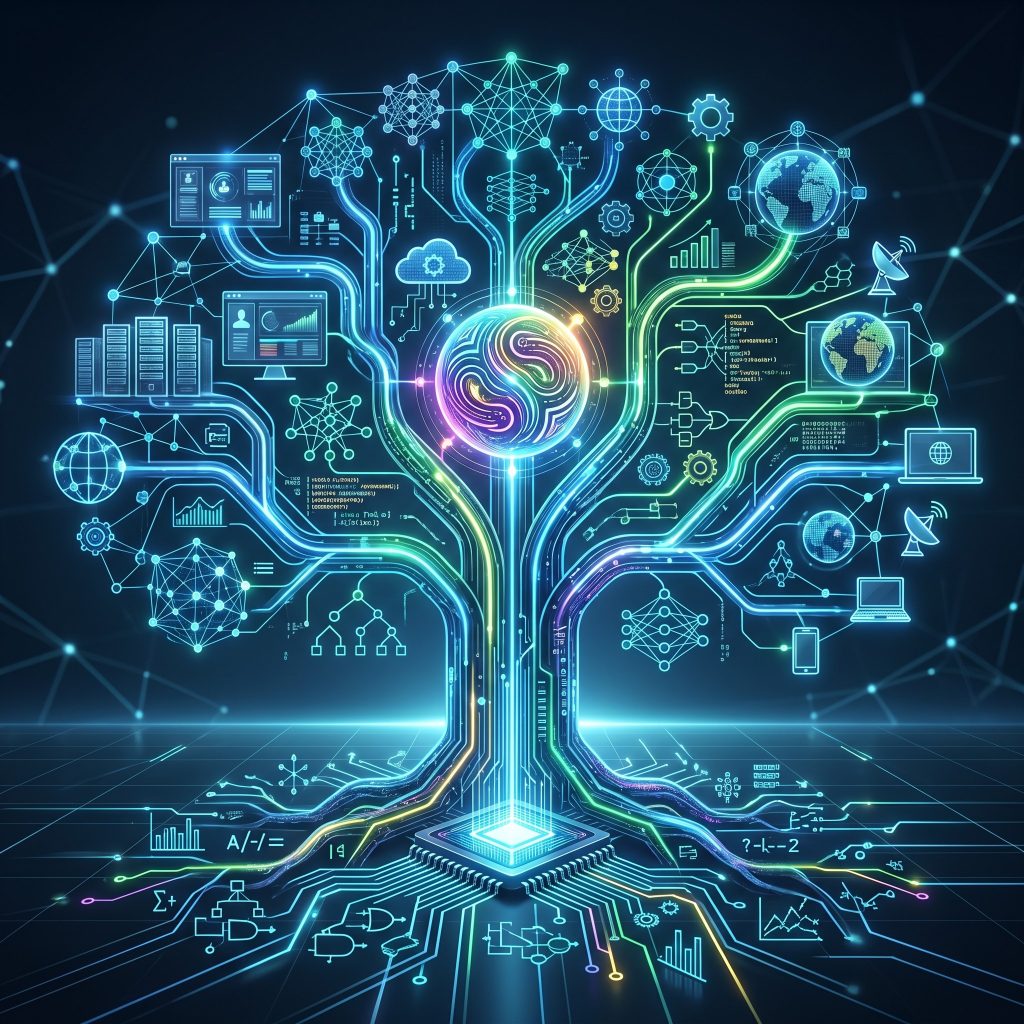 While basic systems handle daily operations, advanced growth requires a deeper technical approach. Information technology computer science focuses on developing new software, algorithms, and data structures tailored to specific business needs. This discipline turns raw data into actionable intelligence.
Data-Driven Decision Making
Guesswork has no place in a modern growth strategy. Companies collect massive amounts of data from their websites, sales terminals, and social media channels. The challenge lies in understanding what that data means. Advanced algorithms sort through millions of customer interactions to identify buying patterns.
Leaders use these insights to adjust their marketing campaigns and product development cycles. If the data shows a sudden interest in a specific feature, the engineering team can prioritize its development. This proactive approach ensures the company always meets consumer demand.
Automation and Efficiency
Custom software applications eliminate the need for human intervention in repetitive workflows. Algorithms can review loan applications, screen resumes, or flag fraudulent transactions in milliseconds. This level of automation significantly reduces the margin for human error.
By removing the burden of repetitive tasks, companies can reallocate their human resources. Employees can focus on creative problem-solving, relationship building, and strategic planning. The business scales faster because the software handles the heavy lifting, allowing the human workforce to focus on innovation.
Leveraging Computer Information Technology for Scalability
Growth brings new challenges. Expanding your customer base means handling more transactions, storing more data, and defending against a higher number of cyber threats. Computer information technology provides the framework to manage this expansion safely and efficiently.
The Power of Cloud Computing
Physical servers require dedicated office space, climate control, and constant maintenance. They also limit a company’s ability to scale quickly. Cloud computing removes these barriers entirely. Cloud service providers host your data and applications on their secure servers, delivering access via the internet.
When a company experiences a sudden spike in website traffic, cloud infrastructure automatically allocates more resources to handle the load. The website stays online, and customers can complete their purchases without interruption. Once the traffic subsides, the system scales back down, ensuring the business only pays for the computing power it actually uses.
Implementing Robust Cybersecurity Measures
A single data breach can destroy a company’s reputation and result in massive financial penalties. As businesses grow, they become prime targets for cybercriminals. Protecting sensitive customer information is a non-negotiable requirement.
Modern security protocols utilize artificial intelligence to monitor network traffic for suspicious activity. If a hacker attempts to access an employee’s account from an unrecognized location, the system instantly blocks the login and alerts the IT department. Regular software updates, multifactor authentication, and encrypted data storage create multiple layers of defense against unauthorized access.
Implementing Computer Technology Solutions in Your Organization
Understanding the benefits of technology is only the first step. Successfully deploying these systems requires careful planning and execution. Rushing into a major software migration without a clear strategy often leads to workflow disruptions and frustrated employees.
Assessing Your Specific Needs
Every business has unique requirements. A local retail store needs a reliable point-of-sale system and basic inventory tracking. A global logistics company requires complex routing algorithms and real-time fleet monitoring.
Start by interviewing your department heads. Ask them to identify the biggest bottlenecks in their daily operations. Look for recurring problems that slow down production or cause customer complaints. Once you have a clear picture of the issues, you can begin researching the specific software and hardware designed to solve them.
Choosing the Right Tools and Partners
The technology market offers thousands of different products. Selecting the right one can feel overwhelming. Prioritize solutions that integrate easily with the software you already use. A new accounting program that cannot communicate with your existing CRM will create more work for your team, not less.
Many businesses choose to partner with managed IT service providers. These external experts assess your company’s infrastructure, recommend improvements, and handle the implementation process. They also provide ongoing tech support, ensuring your systems remain secure and up to date while your internal team focuses on core business objectives.
Digital Transformation Strategy for Scaling Businesses
Digital transformation is no longer optional for modern organizations—it is a core requirement for staying competitive. Businesses must rethink how they use technology to deliver value, streamline operations, and enhance customer experiences. A strong digital transformation strategy connects every department through integrated systems, ensuring seamless data flow and faster decision-making. Companies that adopt this approach reduce operational delays and improve collaboration across teams. It also enables better tracking of performance metrics, helping leaders make informed strategic decisions. By aligning technology with business goals, organizations can scale more efficiently while maintaining flexibility in rapidly changing markets.
Role of Artificial Intelligence in Business Operations
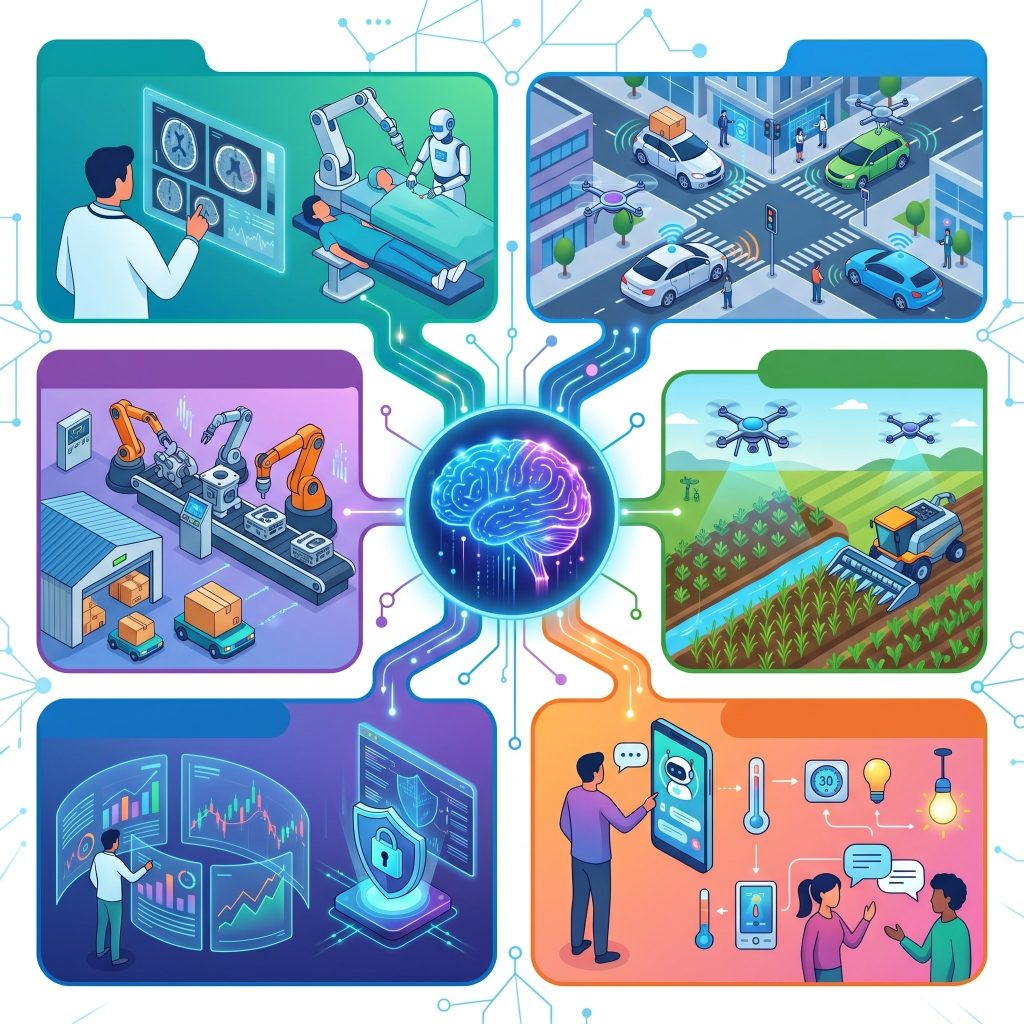 Artificial intelligence (AI) is reshaping how businesses operate by introducing smarter automation and predictive capabilities. AI-powered systems can analyze large datasets, identify patterns, and generate insights that humans might overlook. From customer service chatbots to predictive sales forecasting, AI reduces workload and improves accuracy. Businesses also use AI to personalize customer experiences, increasing engagement and conversion rates. Additionally, machine learning models help detect fraud and optimize supply chain operations in real time. As AI continues to evolve, it becomes an essential component of computer technology solutions that drive efficiency and innovation across industries.
Importance of Data Management and Storage Systems
Effective data management is critical for any organization that relies on digital systems. Businesses generate massive amounts of data daily, including customer information, transaction records, and operational metrics. Without proper storage and organization, this data becomes difficult to use effectively. Modern database systems and cloud storage solutions ensure data is secure, accessible, and well-structured. They also enable real-time analytics, helping companies make faster and more accurate decisions. Proper data governance ensures compliance with regulations while reducing risks associated with data loss or corruption. Strong data management systems form the foundation of intelligent business operations.
Cybersecurity Infrastructure for Modern Enterprises
As businesses become more digitally connected, cybersecurity becomes a top priority. Cyber threats such as phishing, ransomware, and data breaches can cause severe financial and reputational damage. A strong cybersecurity infrastructure includes firewalls, encryption protocols, intrusion detection systems, and continuous monitoring tools. Employee training is also essential to prevent human error, which is often the weakest link in security. Regular security audits and system updates help identify vulnerabilities before they are exploited. By investing in advanced cybersecurity measures, companies protect sensitive data and ensure uninterrupted business operations in a high-risk digital environment.
Cloud Integration and Remote Work Enablement
Cloud technology has revolutionized how businesses operate by enabling remote access to data and applications from anywhere in the world. This flexibility supports remote and hybrid work environments, allowing teams to collaborate in real time without geographical limitations. Cloud platforms also improve scalability by letting companies increase or decrease resources based on demand. This reduces infrastructure costs while maintaining high performance. In addition, cloud integration simplifies software updates and data backups, ensuring business continuity even during system failures. Organizations that adopt cloud-based solutions gain greater agility and operational resilience.
Future Trends in Computer Technology Solutions
The future of computer technology solutions is driven by continuous innovation in automation, connectivity, and intelligent systems. Emerging technologies such as edge computing, quantum computing, and advanced AI will redefine how businesses process and use data. The Internet of Things (IoT) will further connect devices, enabling smarter environments and real-time decision-making. Businesses that stay ahead of these trends will gain a significant competitive advantage. Continuous investment in new technologies ensures long-term growth, improved efficiency, and stronger market positioning. Adapting early to technological change is key to sustaining success in the evolving digital landscape.
Frequently Asked Questions (FAQ)
What are computer technology solutions?
Computer technology solutions are hardware, software, and networking systems that help businesses improve operations, communication, security, and productivity. These solutions include cloud computing, cybersecurity tools, data management systems, and automation software designed to support efficient business growth and daily workflow management.
How do computer technology solutions improve business productivity?
They automate repetitive tasks, streamline communication, and organize workflows more efficiently. Employees spend less time handling manual processes and more time focusing on strategic projects. This increases operational speed, reduces human error, and helps businesses complete tasks faster and more accurately.
Why is cybersecurity important for modern businesses?
Cybersecurity protects sensitive company and customer data from hackers, malware, and unauthorized access. Strong security systems prevent financial losses, protect business reputation, and ensure operational continuity. As businesses grow digitally, advanced cybersecurity becomes essential for maintaining customer trust and regulatory compliance.
What role does cloud computing play in business growth?
Cloud computing provides flexible access to storage, software, and computing resources through the internet. It allows businesses to scale operations quickly without investing heavily in physical infrastructure. Cloud systems also improve collaboration, remote access, data backup, and overall operational efficiency for growing organizations.
How can businesses choose the right technology solutions?
Businesses should first identify operational challenges and workflow bottlenecks. They can then select tools that integrate easily with existing systems and support long-term goals. Consulting IT professionals or managed service providers also helps companies implement reliable, scalable, and secure technology solutions effectively.
Future-Proofing Your Business Growth
Securing a competitive edge requires a commitment to continuous modernization. The software and hardware you deploy today will dictate your operational capacity tomorrow. By investing heavily in modern infrastructure, you build a resilient foundation capable of supporting aggressive expansion.
Evaluate your current systems honestly. Identify the manual processes slowing your team down, and replace them with intelligent software. Empower your workforce with collaborative tools and protect your proprietary data with robust security measures. Taking decisive action to upgrade your tech stack ensures your company remains agile, efficient, and ready to dominate your market for years to come.



Leave a Reply