

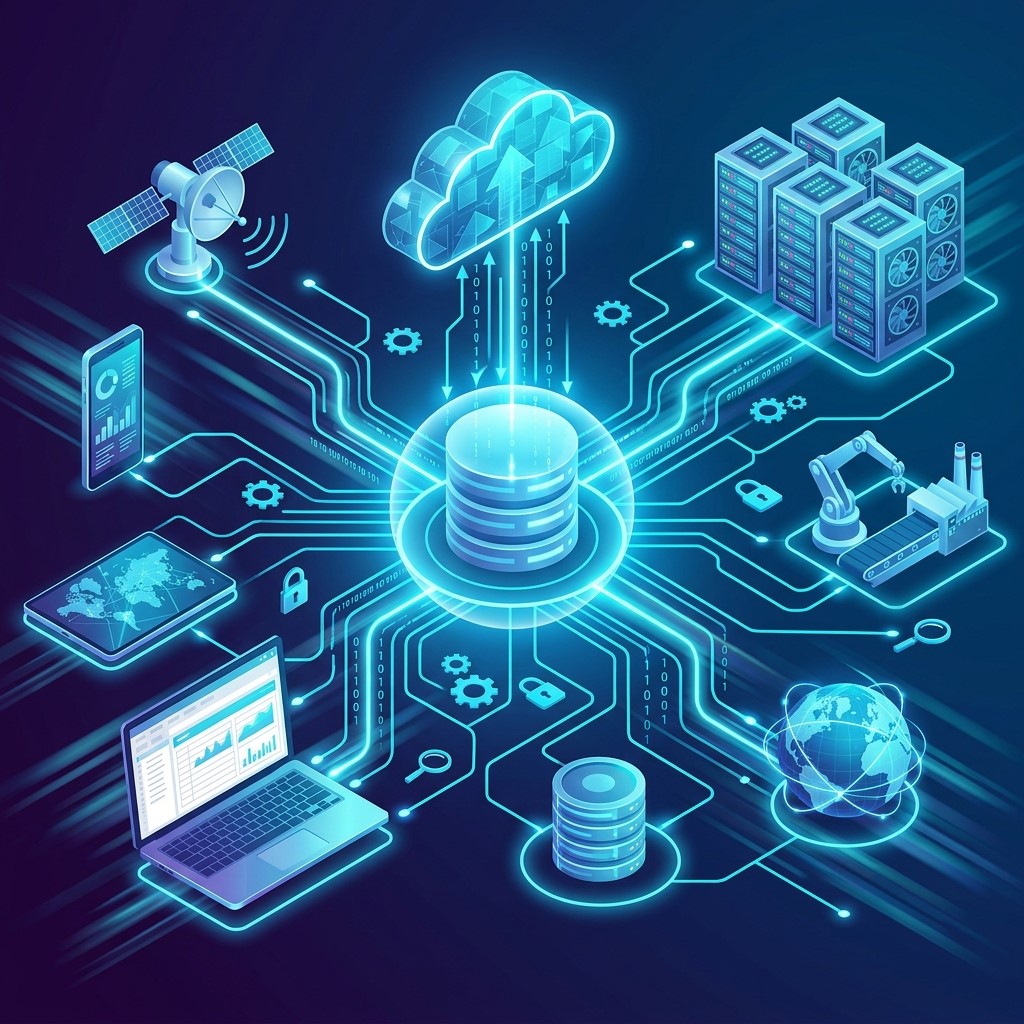
Digital transformation is changing how organizations create value, communicate with customers, manage operations, and compete in modern markets. Businesses that once depended heavily on manual processes are increasingly adopting connected digital systems.
Information systems technology provides the foundation for this transformation by connecting people, processes, data, applications, and infrastructure. It helps businesses move information efficiently while supporting faster and more informed decisions.
From cloud computing and virtualization technology to database management and software development, modern information systems allow organizations to replace inefficient processes with more flexible digital workflows.
What Is Information Systems Technology?
Information systems technology refers to the technologies and systems organizations use to collect, process, store, manage, secure, and distribute information.
It includes hardware, software, databases, networks, cloud platforms, applications, and digital processes. These components work together to support business operations and organizational objectives.
Information systems technology is not limited to one department. Marketing teams may use customer management systems, finance teams may depend on accounting platforms, while operations teams may use inventory and workflow systems. When these technologies are properly connected, organizations can create a more integrated digital environment.
Why Information Systems Technology Matters for Digital Transformation
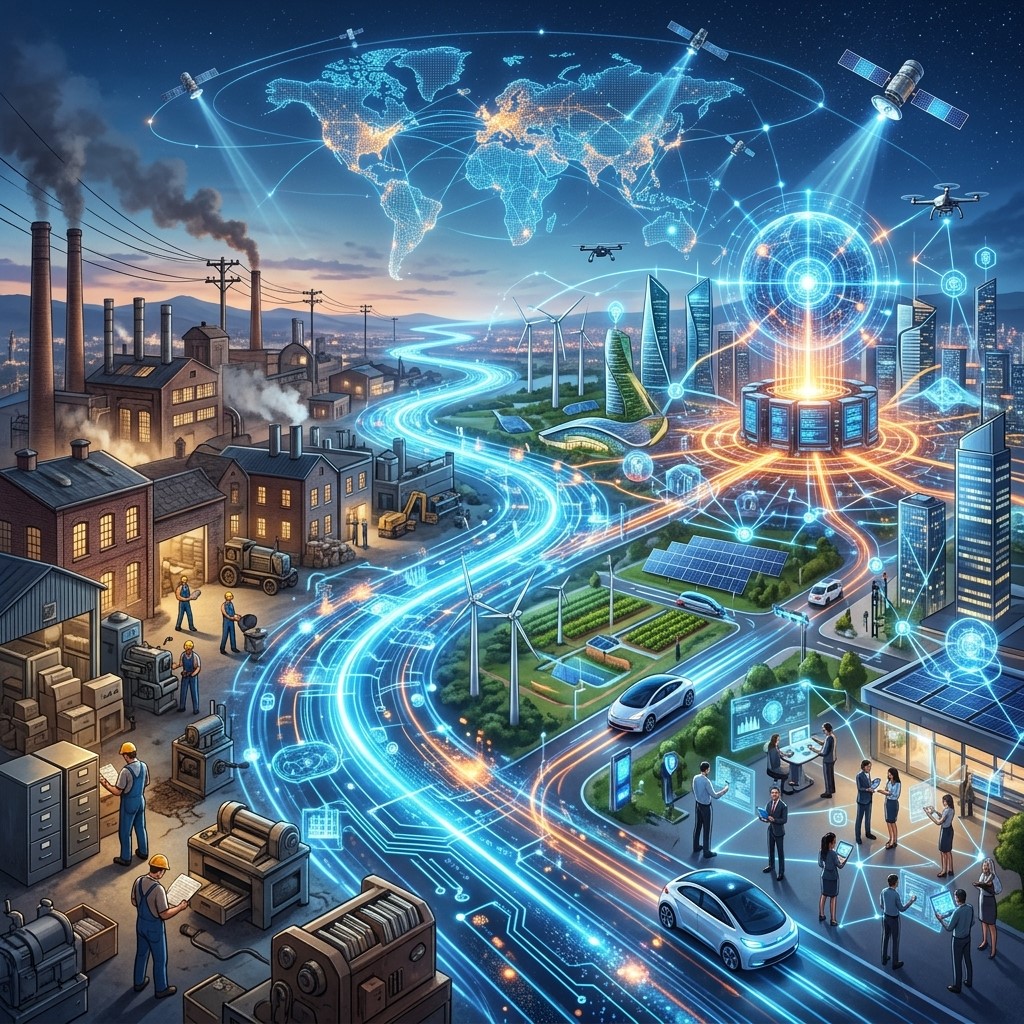 Digital transformation is more than simply replacing paper documents with digital files. It involves changing how an organization operates and delivers value through technology.
Information systems provide the infrastructure required to support these changes. Businesses can automate repetitive processes, connect applications, analyze information, and provide employees with faster access to important resources. Technology also makes it easier for organizations to experiment with new services and respond to changing customer expectations.
Connect People, Processes, and Technology
A successful digital transformation strategy requires coordination between employees, processes, and technology. Information systems can connect different departments so that information does not remain isolated in separate applications or spreadsheets. For example, customer information collected by a sales team can be made available to customer service representatives, allowing them to provide more informed support.
Improve Operational Visibility
Digital systems can provide businesses with greater visibility into their daily operations. Managers can monitor sales, inventory, employee productivity, customer interactions, and other important activities through centralized dashboards and reporting systems. Better visibility allows organizations to identify problems faster and make more informed operational decisions.
The Role of Virtualization Technology
Improve IT Resource Utilization
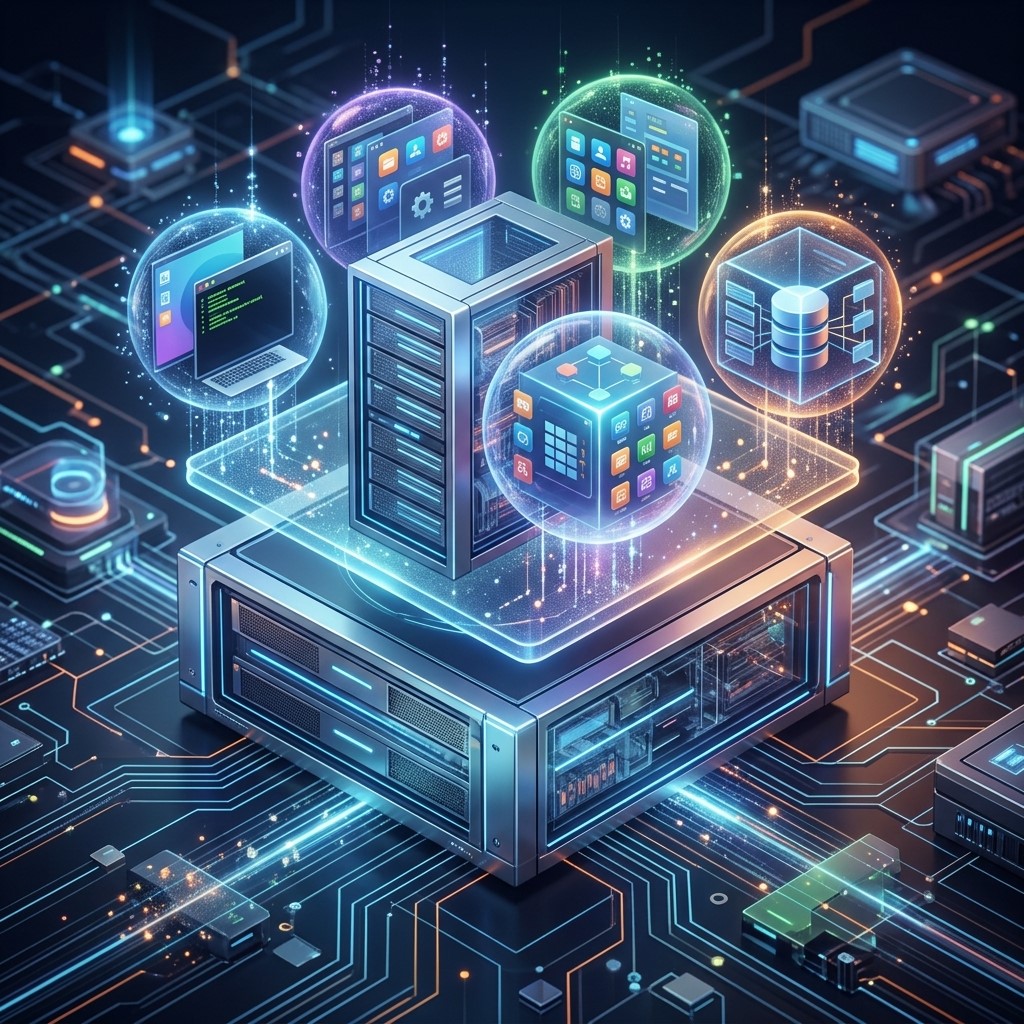
Virtualization technology allows organizations to create virtual versions of computing resources instead of relying entirely on dedicated physical hardware. Businesses can use virtual machines to run multiple environments on the same physical infrastructure. This can improve resource utilization and provide greater flexibility. Virtualization is particularly valuable for organizations that need to manage growing workloads without continuously purchasing separate physical servers.
Support Flexible Infrastructure
Virtualized environments can make it easier to allocate computing resources according to changing requirements. Organizations can create, modify, or move virtual environments more efficiently than traditional physical infrastructure in many use cases. This flexibility can support digital transformation by allowing businesses to deploy applications and services more quickly.
Improve Disaster Recovery
Virtual environments can also support backup and recovery strategies. Organizations can create copies of virtual systems and maintain recovery resources that can be activated when necessary. While virtualization does not replace a complete disaster recovery strategy, it can become an important component of business continuity planning.
The Importance of Database Management
Organize Business Information
Modern organizations generate significant amounts of data from transactions, customers, websites, applications, employees, and connected devices. Database management provides the structure needed to store and organize this information efficiently. Well-managed databases help businesses retrieve relevant information quickly and maintain more consistent records.
Improve Data Accuracy
Poor-quality data can lead to incorrect reports and weak business decisions. Database management practices can include validation, data cleaning, access controls, backup procedures, and consistency checks. These practices help organizations maintain reliable information across their systems.
Support Real-Time Decision-Making
Businesses increasingly need current information to respond quickly to customers and market conditions. Modern database systems can support faster access to operational information, allowing managers to monitor important metrics and make decisions using more current data. Real-time or near-real-time information can be especially valuable for ecommerce, financial services, logistics, and other data-intensive industries.
Software Development and Digital Transformation
Build Business-Specific Applications
Software development allows organizations to create applications designed around specific operational requirements. Off-the-shelf software can be useful, but some businesses have unique workflows that require customized applications. Custom software can support specialized processes, integrate existing systems, and provide features that generic platforms may not offer.
Improve Customer Experiences
Software development also plays an important role in customer-facing digital transformation. Businesses can create websites, mobile applications, customer portals, ecommerce platforms, and self-service systems that make it easier for customers to interact with their brands. A well-designed digital experience can improve convenience and strengthen customer relationships.
Support Continuous Innovation
Digital businesses often need to update their applications as customer expectations and market conditions change. Modern software development practices can support frequent improvements, testing, and feature releases. This allows organizations to treat digital products as evolving systems rather than projects that are completed once and never updated.
Automate Business Processes
Reduce Repetitive Tasks
Automation is one of the most important benefits of information systems technology. Businesses can automate repetitive activities such as data entry, invoice processing, notifications, reporting, scheduling, and document management. Reducing manual work allows employees to spend more time on tasks that require judgment, creativity, communication, and problem-solving.
Improve Process Consistency
Manual processes can vary depending on the employee performing the task. Automated workflows can follow predefined rules and procedures, creating greater consistency across business operations. This can reduce avoidable errors and make it easier for organizations to maintain standardized processes.
Improve Business Communication
Connect Distributed Teams
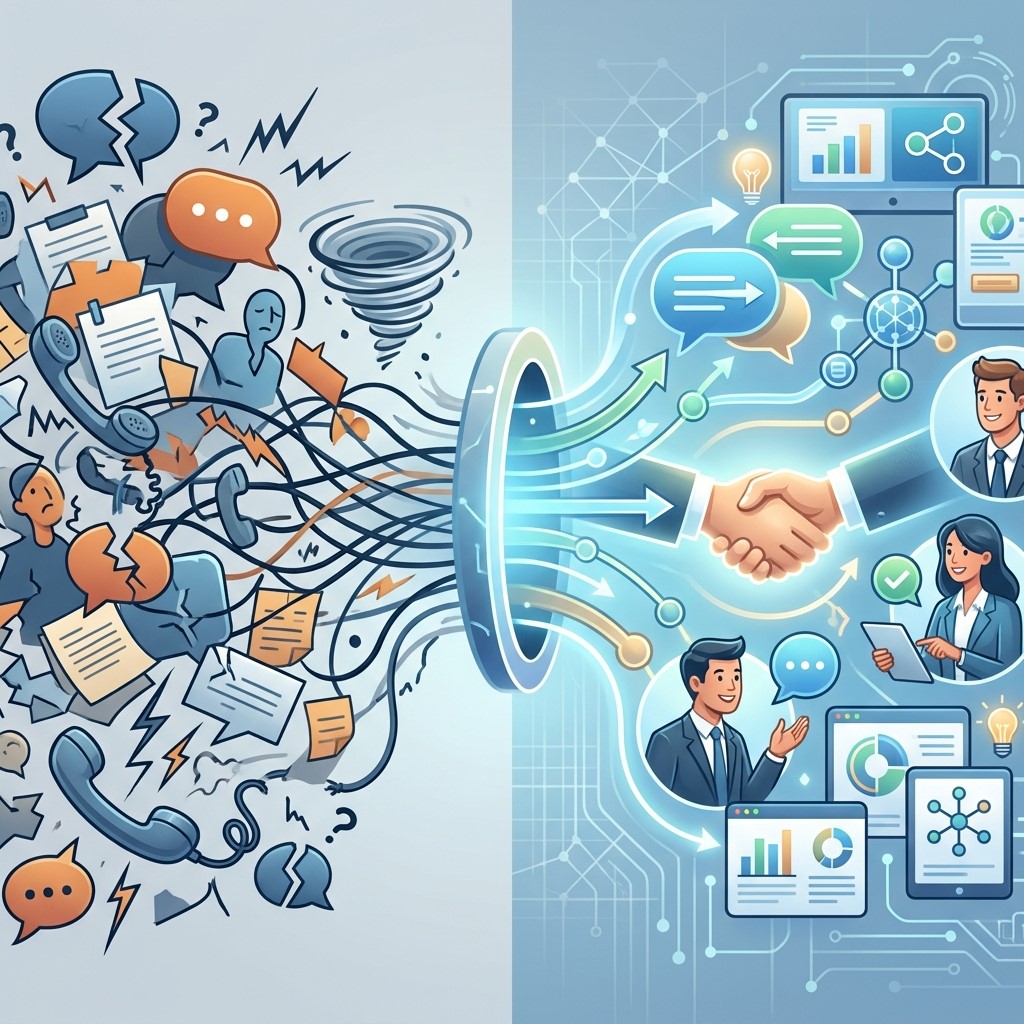
Modern organizations often have employees working across different offices, cities, and countries. Information systems can support communication through collaboration platforms, cloud applications, messaging systems, video conferencing, and shared workspaces. These tools allow employees to exchange information and collaborate without being physically located in the same place.
Centralize Important Information
When information is stored across disconnected systems, employees may struggle to find what they need. Integrated information systems can provide centralized access to important business resources. This can reduce duplicated work and help employees collaborate using more consistent information.
Support Data-Driven Decision-Making
Use Business Analytics
Information systems can collect large amounts of operational data that businesses can analyze to identify trends and patterns. Analytics tools can help organizations understand sales performance, customer behavior, operational efficiency, and financial performance. These insights can support strategic planning and help businesses identify opportunities for improvement.
Create Better Forecasts
Historical information can also support forecasting. Businesses can analyze previous sales, customer activity, inventory levels, and other indicators to estimate future demand. Although forecasts are not always accurate, data-based planning can provide a stronger foundation than decisions based entirely on intuition.
Improve Cybersecurity
Protect Digital Assets
As businesses become more dependent on technology, protecting digital systems becomes increasingly important. Information systems technology can incorporate security controls such as authentication, encryption, access management, endpoint protection, monitoring, and backups. These measures help organizations reduce exposure to unauthorized access and other technology-related risks.
Manage User Permissions
Employees do not necessarily need access to every system or database. Role-based access controls can ensure that users receive permissions appropriate to their responsibilities. Managing access carefully can reduce unnecessary exposure to sensitive information.
Maintain Backup Systems
Data loss can seriously disrupt business operations. Regular backups can help organizations recover important information after hardware failures, cyber incidents, accidental deletion, or other disruptions. Backup strategies should be tested regularly to ensure that data can actually be restored when needed.
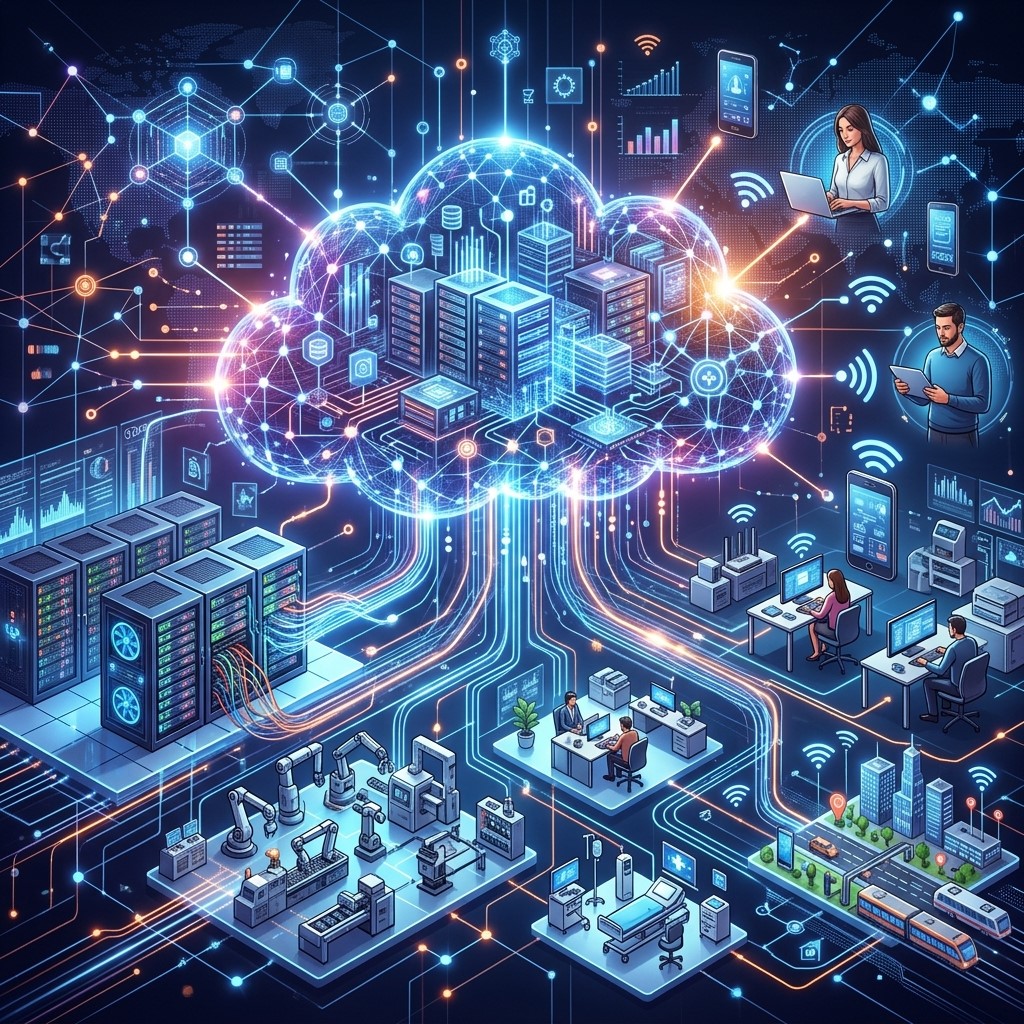
Cloud Computing and Information Systems
Increase Scalability
Cloud platforms allow organizations to access computing resources without relying entirely on locally managed infrastructure. Businesses can scale certain resources according to their changing requirements. This flexibility can support organizations that experience seasonal demand, rapid growth, or unpredictable workloads.
Support Remote Access
Cloud-based information systems can provide employees with access to applications and data from different locations. This can support remote and hybrid working environments while maintaining centralized management. Organizations should still implement appropriate security controls when providing remote access to business systems.
Integrating Business Systems
Connect Different Applications
Businesses often rely on multiple applications for sales, finance, customer management, inventory, human resources, and operations. Integration allows these systems to exchange information rather than forcing employees to manually transfer data between platforms. Better integration can reduce duplication and improve workflow efficiency.
Create a Unified Digital Environment
An integrated technology environment gives businesses a more complete view of their operations. For example, connecting customer, sales, and inventory systems can help organizations understand how customer demand affects product availability. This broader visibility can support faster and more coordinated decision-making.
Improve Customer Experience
Offer Digital Self-Service
Customers increasingly expect convenient digital experiences. Information systems can support self-service portals where customers can check orders, update account information, access documents, submit requests, or find answers. Self-service can improve convenience while reducing the workload placed on customer support teams.
Personalize Customer Interactions
Customer information can help businesses understand preferences, purchase history, and previous interactions. When this information is used responsibly, organizations can create more relevant recommendations and communication. Personalization can make digital experiences more useful and increase customer engagement.
Reduce Technology Costs
Optimize Infrastructure
Technology management can help organizations identify underused hardware, unnecessary applications, and inefficient processes. By reviewing technology usage regularly, businesses can eliminate redundant resources and redirect investment toward higher-value initiatives.
Reduce Manual Labor
Automation can also reduce the amount of employee time required for repetitive processes. The goal is not necessarily to eliminate employees but to allow teams to spend more time on activities that create greater business value. Improved productivity can contribute to long-term operational efficiency.
Challenges of Information Systems Technology
Implementation Complexity
Digital transformation projects can involve multiple departments, applications, and technology environments. Poor planning can result in integration problems, unexpected costs, or disruptions to existing operations. Businesses should establish clear objectives, implementation plans, timelines, and responsibilities before beginning major technology initiatives.
Employee Resistance
Employees may resist new technology when they do not understand its benefits or receive adequate training. Organizations should communicate the reasons for change and provide practical training. Involving employees during implementation can also help identify workflow problems before new systems are fully deployed.
Data Security and Privacy
Increasing digital dependence also increases the importance of data protection. Businesses must consider how information is collected, stored, accessed, shared, and retained. Strong security policies and appropriate technology controls can help organizations manage these responsibilities.
Best Practices for Digital Transformation
Start With Business Objectives
Technology should support a clear business purpose. Organizations should identify the problems they want to solve before selecting new platforms or applications. This helps prevent businesses from adopting technology simply because it is new or popular.
Build a Scalable Technology Strategy
Digital transformation should consider future growth. Businesses should select systems that can accommodate increasing users, data, applications, and operational complexity. Scalability can reduce the need for repeated technology replacements.
Train Employees
Even the best technology can fail to deliver value if employees do not know how to use it. Training should explain both technical functions and how new systems affect everyday workflows. Ongoing support can help employees adapt as platforms evolve.
Measure Results
Organizations should define measurable objectives for digital transformation projects. Useful indicators may include productivity, processing time, operating costs, customer satisfaction, system availability, and revenue. Regular measurement helps businesses understand whether technology investments are delivering expected value.
Future of Information Systems Technology
The future of information systems will continue to be influenced by artificial intelligence, automation, cloud computing, connected devices, advanced analytics, and evolving cybersecurity technologies. Organizations will increasingly rely on integrated systems that can process information quickly and support intelligent decision-making. Software development will also continue evolving as businesses seek more flexible and personalized digital solutions. The organizations most likely to benefit will be those that treat technology as a strategic capability rather than simply an operational expense.
Frequently Asked Questions
1. What is information systems technology?
Information systems technology includes the hardware, software, databases, networks, cloud platforms, and digital processes organizations use to collect, process, store, manage, secure, and distribute information.
2. How does information systems technology support digital transformation?
It helps businesses automate processes, connect applications, manage data, improve communication, support analytics, strengthen security, and create digital customer experiences. These capabilities can help organizations modernize operations and adapt to changing markets.
3. What is virtualization technology?
Virtualization technology creates virtual computing environments that can operate on physical infrastructure. It can improve resource utilization, increase infrastructure flexibility, and support certain backup and disaster recovery strategies.
4. Why is database management important?
Database management helps businesses organize, secure, maintain, and retrieve information efficiently. Good database practices can improve data accuracy and provide organizations with reliable information for reporting and decision-making.
5. What role does software development play in digital transformation?
Software development allows businesses to create or improve digital applications that support specific operational and customer requirements. It can help organizations automate workflows, integrate systems, and deliver better digital experiences.
6. Can information systems technology reduce business costs?
Yes. Automation, infrastructure optimization, system integration, and improved productivity can reduce certain operational costs. Businesses can also identify redundant software and underused resources through technology monitoring.
7. How does information systems technology improve customer experience?
It can support faster communication, digital self-service, personalized interactions, efficient order processing, and easier access to information. Integrated systems can also help employees provide more informed customer support.
8. Is information systems technology important for small businesses?
Yes. Small businesses can use information systems to automate administrative tasks, manage customers, organize data, improve collaboration, and create scalable digital operations without requiring the same infrastructure as large enterprises.
9. What are the biggest challenges of digital transformation?
Common challenges include implementation complexity, employee resistance, integration difficulties, cybersecurity risks, data-quality problems, and technology costs. Clear planning, training, and measurable objectives can help organizations manage these challenges.
10. What is the future of information systems technology?
Future information systems will increasingly incorporate artificial intelligence, automation, cloud computing, connected devices, advanced analytics, and stronger cybersecurity. These technologies are expected to create more integrated and intelligent digital business environments.
Conclusion
Information systems technology is a major foundation for digital transformation. It connects business processes, data, applications, infrastructure, and people while creating opportunities for greater efficiency and innovation. Virtualization technology can provide flexible infrastructure, while database management helps organizations maintain reliable information.
Software development enables businesses to create applications that support unique requirements and better customer experiences. Successful transformation requires more than adopting new tools. Businesses need clear objectives, strong security, effective integration, employee training, and continuous measurement. When technology is aligned with business strategy, organizations can improve productivity, make better decisions, respond faster to customers, and create a scalable foundation for long-term digital growth.



Leave a Reply