

Technology drives almost every aspect of modern business operations. Companies rely heavily on robust networks, secure databases, and efficient software applications to maintain their competitive edge. Managing this complex infrastructure requires skilled professionals who understand both hardware and software integration. This growing need has placed a massive spotlight on careers within the tech sector.
For anyone considering a career in the tech industry, understanding the nuances of different technology disciplines is essential. The terminology can often seem confusing, with overlapping definitions and similar-sounding degree programs. Clarifying these pathways helps students and professionals align their educational goals with their desired career outcomes.
This comprehensive guide explores the landscape of computer information technology. We will break down the essential skills required to succeed, analyze the current industry demand, and compare this field to other popular tech disciplines. By the end of this post, you will have a clear roadmap for navigating educational choices and pursuing a rewarding career in the technology sector.
What is Computer and Information Technology?
At its core, this discipline focuses on the practical application of computers and telecommunications to store, retrieve, transmit, and manipulate data. Businesses use these systems to operate efficiently, communicate globally, and protect sensitive assets. Professionals in this field ensure that networks remain online, databases are secure, and employees have access to the digital tools they need.
The scope of this field is massive. It encompasses everything from setting up local area networks (LANs) in small offices to managing global cloud infrastructure for multinational corporations. It is a hands-on, problem-solving discipline that requires a deep understanding of how different technological components interact.
Computer Science vs Information Technology
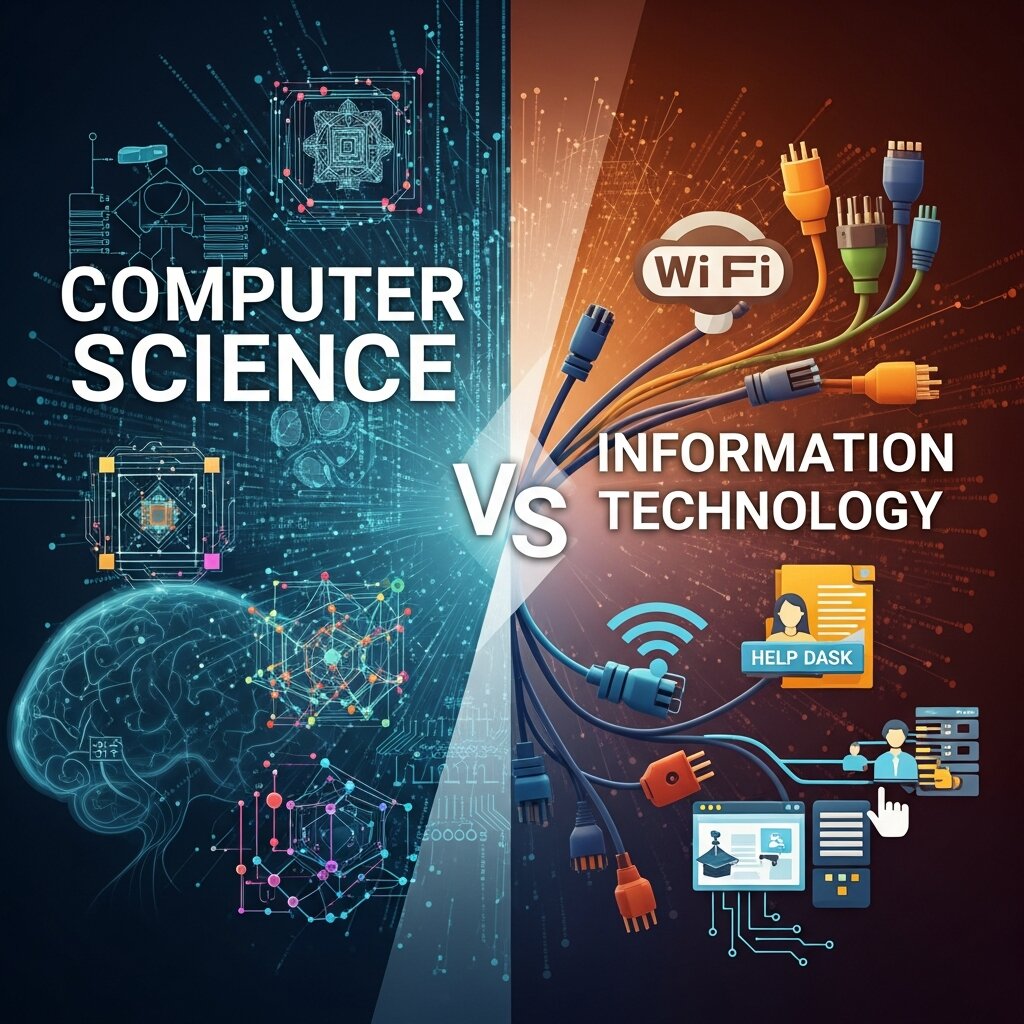 Many people use these terms interchangeably, but they represent two distinct career paths. Understanding the difference between computer information technology vs computer science is crucial for anyone entering the tech industry.
Computer science focuses heavily on the theoretical foundations of computation. Students in these programs learn complex mathematics, algorithm design, and software engineering. They write the code that creates operating systems, applications, and artificial intelligence models. Their work revolves around creating new software and pushing the boundaries of what computers can do.
In contrast, information technology centers on the practical application of existing technology. These professionals take the software and hardware created by computer scientists and implement it within a business environment. They configure networks, manage databases, and provide technical support. If computer scientists are the architects who design the building, IT professionals are the facility managers who ensure the building operates smoothly every day.
Computer Information Systems vs Computer Information Technology
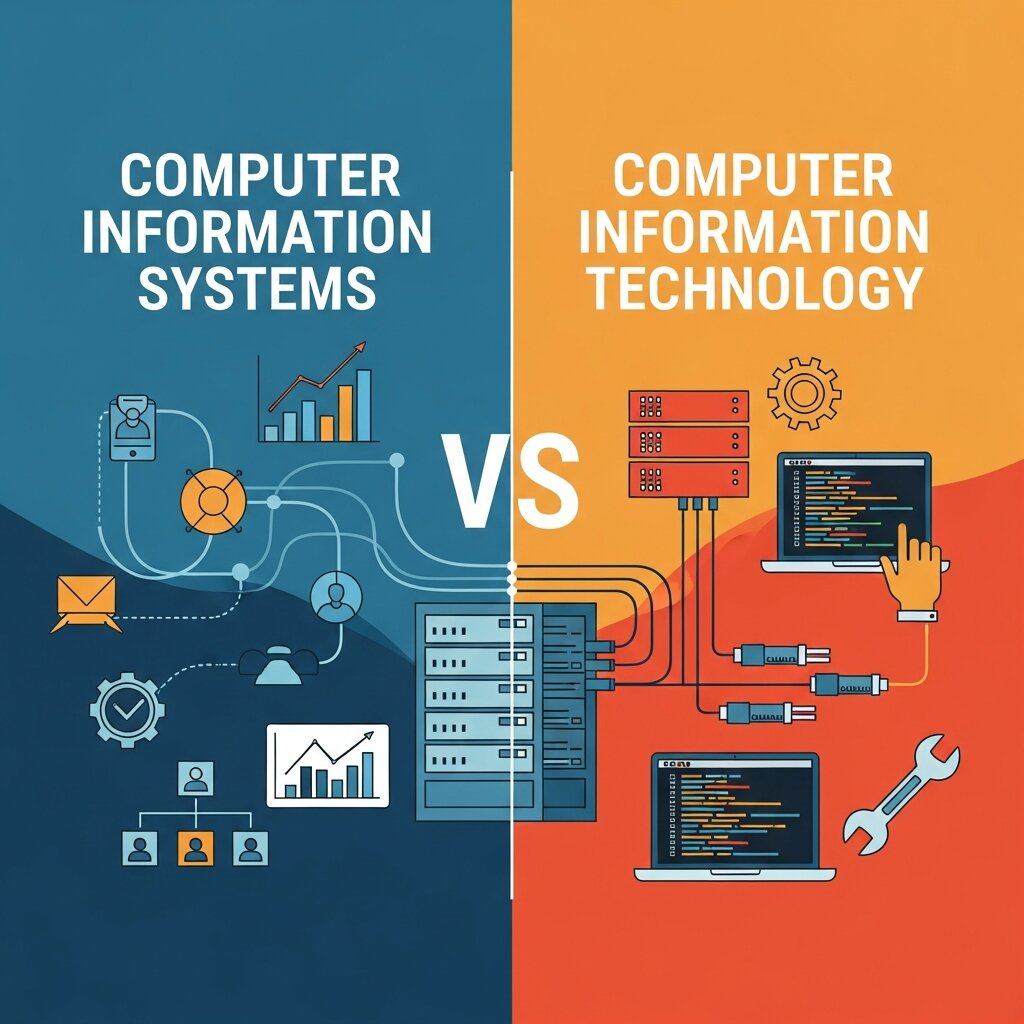 Another common source of confusion is the distinction between computer information systems vs computer information technology. While closely related, they have different focuses regarding business integration.
Computer information systems (CIS) blends technology with business management. Professionals in this area focus on how technology can solve specific business problems. They often analyze business processes, identify areas for improvement, and recommend software solutions to increase productivity. A CIS degree typically includes courses in accounting, management, and business communication alongside tech classes.
Computer information technology is generally more technical and hands-on. The curriculum emphasizes network administration, cybersecurity, and system configuration over business management theory. These professionals are the technical experts who physically install routers, configure firewalls, and troubleshoot server hardware.
Building Skills in Computer Systems and Information Technology
Success in this industry requires a diverse skill set that blends technical knowledge with strong communication abilities. Because the tech landscape changes rapidly, professionals must remain adaptable and commit to lifelong learning.
Networking and Infrastructure
Understanding how computers communicate is a fundamental requirement. You must grasp concepts like IP addressing, routing protocols, and subnetting. Familiarity with hardware components like switches, routers, and firewalls is also necessary for building and maintaining robust computer systems and information technology networks.
Cybersecurity Fundamentals
As cyber threats become more sophisticated, security is a top priority for every organization. Professionals must understand how to implement access controls, configure virtual private networks (VPNs), and monitor networks for suspicious activity. Knowing how to protect data is just as important as knowing how to store it.
Cloud Computing
Many organizations are moving their infrastructure from physical servers to the cloud. Familiarity with platforms like Amazon Web Services (AWS), Microsoft Azure, and Google Cloud is increasingly valuable. You should understand how to deploy virtual machines, manage cloud storage, and monitor cloud-based applications.
Designing Computer Technology Solutions
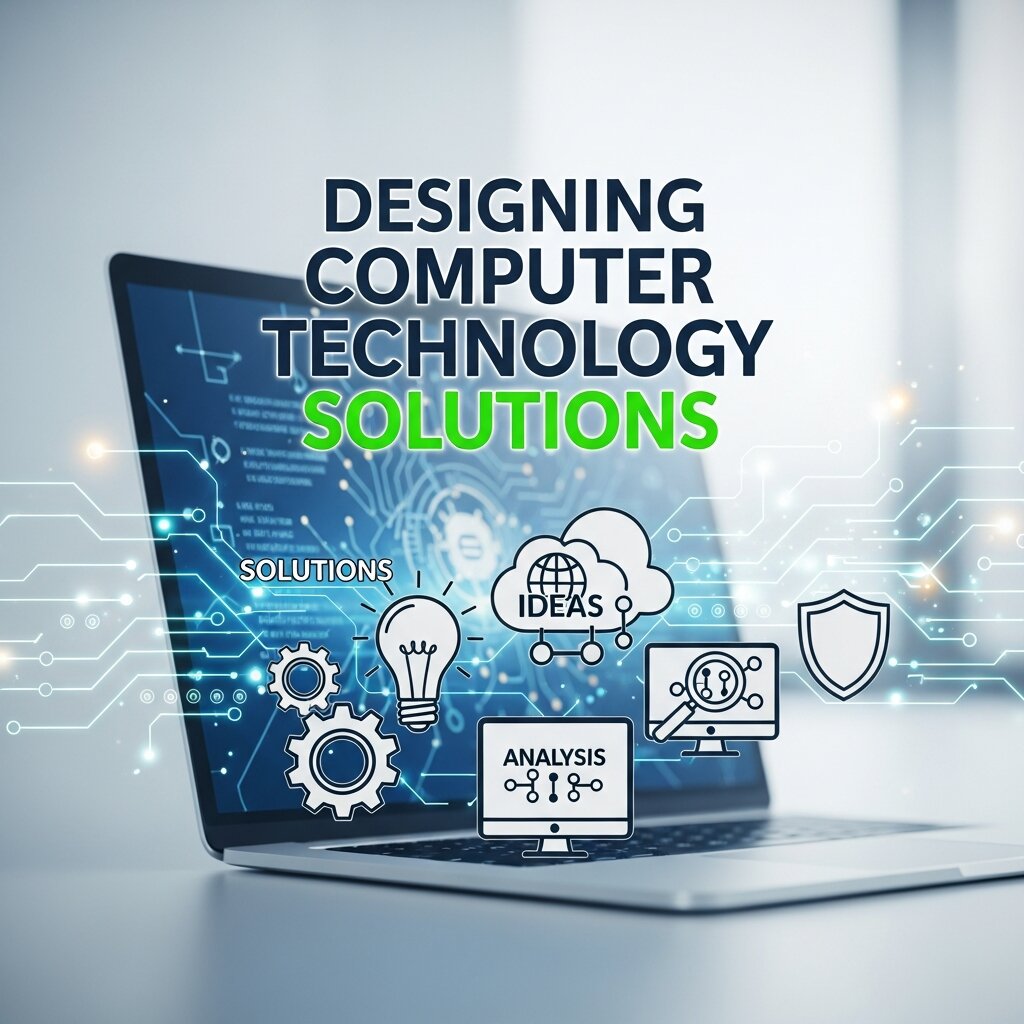 A major part of an IT professional’s job involves problem-solving. When a company faces a challenge, tech teams must design and implement effective computer technology solutions.
This process begins with a thorough needs assessment. Tech professionals must listen to stakeholders to understand the specific problem. For example, a company might struggle with slow database performance during peak business hours.
Once the problem is identified, the team evaluates potential solutions. This might involve upgrading server hardware, migrating to a cloud-based database, or optimizing existing network traffic. The team must weigh the costs, benefits, and potential risks of each option before executing a plan. The ability to design scalable, cost-effective solutions is what separates entry-level technicians from senior technology leaders.
Exploring Careers in Computer Systems Technology
The demand for skilled professionals continues to grow across all sectors of the economy. A degree in computer systems technology opens the door to a wide variety of high-paying, stable careers.
Network Administrator
Network administrators are responsible for the day-to-day operation of an organization’s computer networks. They install network hardware, update software, and troubleshoot connectivity issues. They also monitor network performance to ensure that data flows quickly and securely.
Information Security Analyst
These professionals focus entirely on protecting an organization’s computer networks and systems. They plan and carry out security measures, monitor for security breaches, and investigate violations when they occur. Given the rising number of cyberattacks, this is one of the fastest-growing roles in the tech industry.
Database Administrator
Databases hold a company’s most valuable information, from customer records to financial data. Database administrators use specialized software to store and organize this data. They ensure that data is easily accessible to authorized users while remaining secure from unauthorized access. They also perform regular backups to prevent data loss.
The Surprising Role of Computer Keyboard Technology
While much of the focus in IT is on servers, software, and networks, human-computer interaction remains a vital component of the industry. Ergonomics and hardware design play a significant role in workplace productivity. Advancements in computer keyboard technology have directly impacted how professionals interact with their systems.
From mechanical switches favored by developers for tactile feedback to ergonomic split designs that prevent repetitive strain injuries, the hardware we touch daily is essential. IT departments frequently assess and procure these peripherals to ensure staff can work comfortably and efficiently. Understanding these hardware components helps IT professionals provide comprehensive support to their end-users.
Emerging Trends in Computer Information Technology
The field of computer information technology is evolving rapidly due to advancements in artificial intelligence, automation, and edge computing. Organizations are no longer relying solely on traditional IT systems; instead, they are integrating smarter, more adaptive technologies. AI-driven monitoring tools can now detect system issues before they occur, reducing downtime and improving efficiency. Edge computing is also gaining traction, allowing data to be processed closer to its source for faster results. Additionally, the rise of remote work has increased demand for secure, cloud-based infrastructure. Professionals in IT must continuously update their skills to keep pace with these changes. Staying informed about emerging trends is essential for maintaining relevance and advancing in this fast-moving industry.
Importance of Certifications in IT Careers
Certifications play a crucial role in establishing credibility and demonstrating technical expertise in the IT industry. Unlike traditional degrees, certifications focus on practical, job-ready skills that employers actively seek. Programs such as CompTIA A+, Network+, CCNA, and AWS certifications validate a candidate’s ability to handle real-world technical challenges. These credentials often serve as a stepping stone for entry-level professionals aiming to break into the industry. They also help experienced professionals specialize in areas like cybersecurity, cloud computing, or network administration. In a competitive job market, certifications can significantly improve hiring chances and salary potential. Continuous certification also ensures that professionals stay updated with evolving technologies and industry standards.
Role of IT in Business Digital Transformation
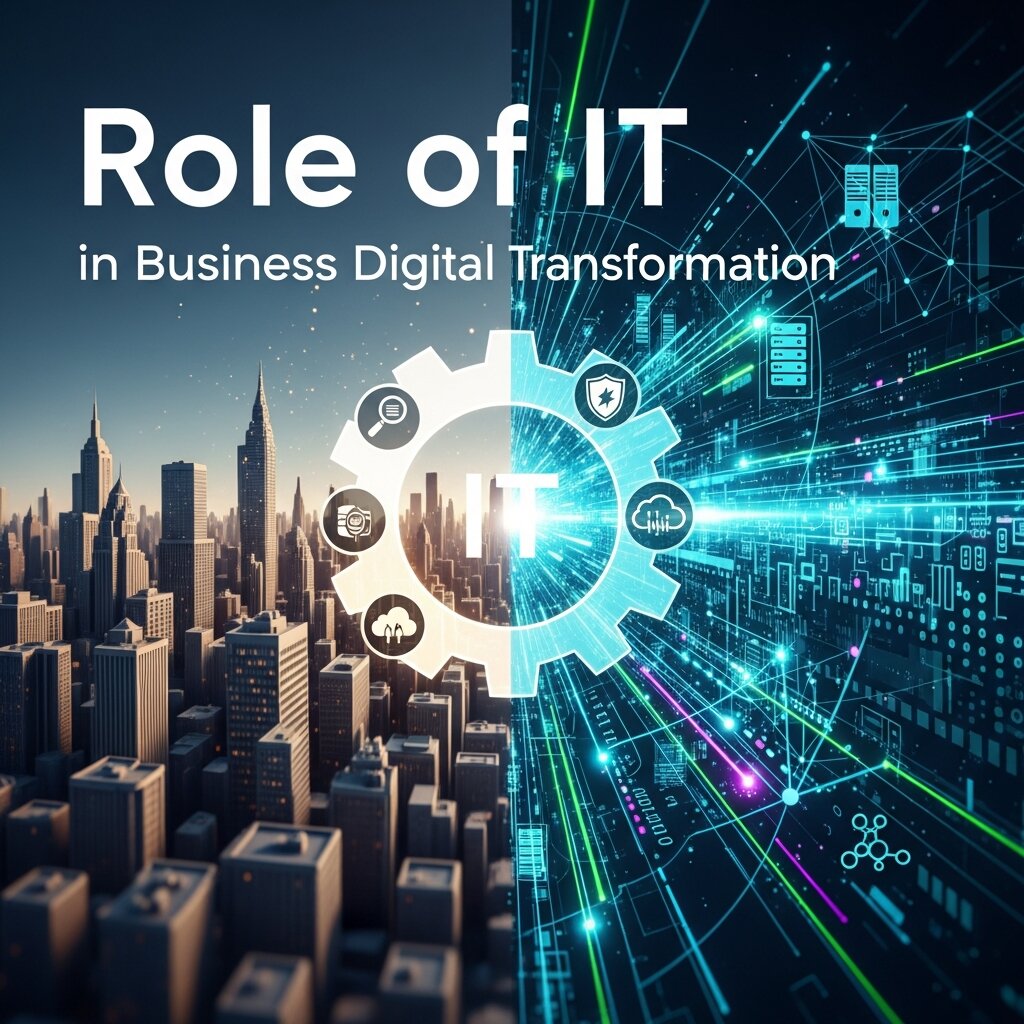 Information technology is the backbone of modern digital transformation strategies. Businesses are increasingly relying on IT systems to automate operations, improve customer experiences, and enhance decision-making processes. From cloud migration to data analytics, IT enables organizations to become more agile and efficient. Digital transformation is not just about adopting new tools; it is about reshaping how a business operates at its core. IT professionals play a key role in integrating these technologies into existing workflows while ensuring minimal disruption. They also help organizations scale operations and adapt to market changes quickly. Without strong IT support, digital transformation efforts often fail to deliver their full potential.
Challenges in Computer Information Technology Careers
While the IT field offers many opportunities, it also comes with several challenges. One major issue is the constant need for upskilling, as technology evolves at a rapid pace. Professionals must continuously learn new tools, programming languages, and systems to remain relevant. Another challenge is cybersecurity threats, which are becoming more advanced and frequent. IT specialists must stay vigilant to protect sensitive data and prevent system breaches. Additionally, the pressure to minimize downtime means IT teams often work under tight deadlines. Problem-solving under stress is a common requirement in this field. Despite these challenges, many professionals find the work rewarding due to its impact and career growth potential.
Future Scope of Computer Information Technology
The future of computer information technology looks extremely promising as digital systems become more integrated into everyday life. With the rise of artificial intelligence, machine learning, and quantum computing, the demand for skilled IT professionals is expected to grow significantly. Industries such as healthcare, finance, education, and manufacturing are increasingly dependent on advanced IT systems. This creates a wide range of career opportunities for future graduates. Remote work and global collaboration will also continue to expand, making IT skills more valuable than ever. As technology continues to evolve, professionals who adapt quickly and embrace innovation will have the greatest career success and long-term stability in the industry.
Information Technology Computer Science FAQs
To provide further clarity, we have compiled answers to some of the most common questions regarding tech careers.
1. What is computer information technology?
Computer information technology (IT) focuses on using computers, networks, and systems to store, process, and manage data efficiently within organizations. It involves both hardware and software applications.
2. Is computer information technology a good career choice?
Yes, it is a highly in-demand field with strong job growth, competitive salaries, and diverse career opportunities across industries like healthcare, finance, and technology.
3. Do I need coding skills for a career in IT?
Basic coding knowledge is helpful but not always required. Many IT roles focus more on system management, networking, and troubleshooting rather than software development.
4. What is the difference between computer science and IT?
Computer science focuses on programming, algorithms, and software development, while IT focuses on implementing, managing, and maintaining technology systems in real-world environments.
5. What skills are required for computer information technology?
Key skills include networking, cybersecurity, cloud computing, problem-solving, communication, and basic programming knowledge.
6. What are the most popular careers in IT?
Common roles include network administrator, system administrator, cybersecurity analyst, database administrator, and IT support specialist.
7. What certifications are useful for IT professionals?
Popular certifications include CompTIA A+, Cisco CCNA, AWS Certified Solutions Architect, and Microsoft certifications, which help validate technical skills.
8. How long does it take to start a career in IT?
It can take anywhere from a few months (with certifications or bootcamps) to 3–4 years (with a degree), depending on the chosen path.
9. Is IT a stressful job?
It can be challenging, especially when dealing with system failures or security issues, but it is also rewarding for those who enjoy problem-solving and technology.
10. Can I start a career in IT without a degree?
Yes, many professionals enter the field through certifications, online courses, and hands-on experience instead of a traditional degree.
Next Steps for Aspiring Tech Professionals
The technology sector offers remarkable opportunities for those willing to build their technical expertise and solve complex problems. By understanding the distinctions between different tech disciplines, you can make informed decisions about your education and career trajectory.
Start by identifying the aspects of technology that interest you the most. If you enjoy hands-on troubleshooting and network configuration, a path in computer information technology is likely a great fit. Consider pursuing industry-recognized certifications, such as CompTIA A+, Cisco CCNA, or AWS Certified Solutions Architect, to validate your skills and boost your resume. The tech industry rewards curiosity and dedication, so continue exploring, learning, and building your foundation for a successful career.



Leave a Reply